Search...

Σάββατο 22 Δεκεμβρίου 2012

ΥΠΑΤΗ ΑΡΜΟΣΤΕΙΑ: “ΕΠΙΒΕΒΑΙΩΝΟΝΤΑΙ ΟΙ ΕΚΤΙΜΗΣΕΙΣ ΓΙΑ ΣΤΡΟΦΗ ΣΕ ΠΙΟ ΕΠΙΚΙΝΔΥΝΑ ΠΕΡΑΣΜΑΤΑ”

Τραγωδία στη Λέσβο: 21 νεκροί και 6 αγνοούμενοι στην προσπάθειά τους να φτάσουν στα ελληνικά παράλια


©UNHCR/F.Noy

Η Ύπατη Αρμοστεία του ΟΗΕ για τους Πρόσφυγες (Υ.Α.) εκφράζει τη βαθιά θλίψη της για το τραγικό ναυάγιο στα ανοιχτά της Λέσβου, που σημειώθηκε το πρωί της Παρασκευής 14 Δεκεμβρίου, όταν η μικρή λέμβος με 28 Αφγανούς που επιχειρούσαν να προσεγγίσουν τα παράλια του νησιού ανατράπηκε. Σύμφωνα με στοιχεία του Λιμενικού, 21 άτομα ανασύρθηκαν ήδη νεκρά από τη θάλασσα ή εντοπίστηκαν στις ακτές της Θερμής. Τον μοναδικό μέχρι στιγμής επιζώντα, ηλικίας 16 ετών, επισκέφθηκε εκπρόσωπος της Υ.Α. στο Νοσοκομείο της Μυτιλήνης όπου νοσηλεύεται. Σύμφωνα με μαρτυρία του, στη λέμβο επέβαιναν 6 ακόμη άτομα, ανάμεσά τους δύο γυναίκες με μωρά. Οι έρευνες για εντοπισμό των αγνοουμένων συνεχίζονται.

Παρασκευή 21 Δεκεμβρίου 2012

[EN] DEATH TRIPS. DREAM DESTINATION: EUROPE.


by Theodora Matziropoulou
Friday, 14th of December, early morning. With daylight, one more tragedy was revealed in the Aegean Sea. The trip of 28 irregular immigrants attempting to pass from Turkey to Lesvos Island ended in dramatic way because of bad weather. Midway, due to overload and due to strong winds, the boat overturned and disappeared into the icy waters. Dream destination: Europe.A 20-year-old man was found alive in hypothermic shock state and he is hospitalized. According to the survivor, all of them had paid $ 2000 each for their transportation from Turkey toGreece. 21people found dead by the Coast Guard, which since that afternoon continues search the sea area in cooperation with forces of FRONTEX. 6 people are missing. Because of the cold and inclement weather cannot have survived some.

ΕΤΟΙΜΟΣ Ο ΦΡΑΧΤΗΣ ΣΤΟΝ ΕΒΡΟ


Ζώτου Έλλη
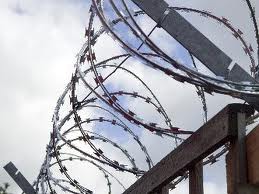
Ολοκληρώθηκε η κατασκευή του φράχτη στον Έβρο την Κυριακή και αναμένεται η παραλαβή του από το υπουργείο Δημόσιας Τάξης και Προστασίας του Πολίτη. Ο φράχτης 10 χλμ. στην περιοχή της Νέας Βύσσας είναι ίσως το μόνο έργο που έκανε η προηγούμενη κυβέρνηση και που έχει χρηματοτοδοτηθεί εξ ολοκλήρου από το κατακρεουργημένο από τα Μνημόνια Πρόγραμμα Δημοσίων Επενδύσεων, καθώς η Ευρωπαϊκή Ένωση αρνήθηκε να το χρηματοδοτήσει επικαλούμενη ότι τέτοιου είδους μέτρα είναι βραχυπρόθεσμα και δεν συμβάλλουν στην καταπολέμηση του προβλήματος της λαθρομετανάστευσης. Το έργο, εμπνεύσεως του τότε υπουργού Προστασίας του Πολίτη Χρ. Παπουτσή, αρχικά εντάχθηκε στον ευρύτερο σχεδιασμό υποδομών για την αντιμετώπιση της παράνομης μετανάστευσης ο οποίος έπρεπε να εγκριθεί από την Ε.Ε. και για το οποίο είχαμε μάλιστα ζητήσει συγχρηματοδότηση ύψους 4,9 εκατ. ευρώ.

Δευτέρα 10 Δεκεμβρίου 2012

[EN] SYRIAN REFUGEES ‘TURNED BACK FROM GREEK BORDER BY POLICE’


Asylum seekers crossing from Turkey say they have been illegally deported by Greek police or blocked from entering


UN general secretary Ban Ki-Moon talks to refugees during a visit to the Islahiye Syrian refugee camp in Gaziantep, Turkey. Photograph: Veli Gurgah/Anadolu/EPA

On the edge of Europe, where the river Evros meanders towards the Aegean sea, a new tragedy involving two of the world's most troubled peoples is unfolding.
On one side of the river border are gathered clusters of Syrian refugees, desperate to escape the misery of war and put the Turkish camps behind them. But beyond the perilous currents lies Greece, a nation so economically bereft it has little time or resources for them.

Τρίτη 4 Δεκεμβρίου 2012

ΦΡΑΝΣΟΥΑ ΚΡΕΠΟ: «ΕΓΚΛΗΜΑΤΙΚΟΣ Ο ΦΡΑΧΤΗΣ»


ΦΡΑΝΣΟΥΑ ΚΡΕΠΟ - ειδικός εισηγητής του ΟΗΕ για τα ανθρώπινα δικαιώματα των μεταναστών

Ευρωπαϊκό κι όχι ελληνικό πρόβλημα η μετανάστευση

Τι είπε ο ειδικός εισηγητής του ΟΗΕ για τα ανθρώπινα δικαιώματα των μεταναστών, κ. Φρανσουά Κρεπό

Πέμπτη 15 Νοεμβρίου 2012

[ΕΝ] STATE OF THE WORLD’S MINORITIES AND INDIGENOUS PEOPLES 2012 – GREECE


On 3 January 2011, the Minister for Citizen Protection, Christos Papoutsis, announced plans to build a 12.5 km fence along its border with Turkey, to prevent undocumented migrants entering the country. The minister stated that some 128,000 migrants and asylum-seekers reached Greece in 2010, more than 40,000 of them crossing the border from Turkey at the Evros border post. Greece's land border with Turkey is more than 200 km long, running mostly along the Evros River, and is increasingly used by Asian and African migrants to enter the country since traditional routes across the central and western Mediterranean have been blocked by strengthened maritime surveillance and bilateral repatriation deals between Italy and Spain with various African countries. But it is unlikely that a 12.5 km fence will prevent waves of immigrants from flowing into the country.

[ΕΝ] LOST AT BORDER – A journey to the lost and the dead of the Greek borders


New report of Infomobile Greece, published in January 2012

LOST AT BORDER reports on the reality of loss and death at the Greek borders. As a close friend of ours said once: “If you are a refugee and you die nobody asks any questions. But for living somewhere, everybody is questioning you!” We want to break the silence and ask: What happened with all these people whose traces got lost?
Accidents and death at border belong unfortunately to the daily experiences of refugees trying to reach a safe haven. The European Border Control Agency FRONTEX in co-operation with national authorities are heightening and thickening the fences and walls around us, controlling and patrolling the borders and externalizing them to European neighbour states such as Turkey, Morocco, Tunisia a.o. They have created treaties of co-operation in deportations and huge refugee detention camps at the gates of Europe. Trying to cross a number of borders, among them the ones of Fortress Europe is a huge risk of death! The numbers are shocking: more than 2.000 people died in the Mediterranean Sea only in 2011. Each single person left behind a big gap in the life of relatives and friends.

Παρασκευή 26 Οκτωβρίου 2012

[FR] DES MURS ET DES HOMMES - 2/3 - Union Européenne, jamais sans ses murs

ECOUTEZ TOUTE L'EMISSION PAR ICI

Lorsque l’on pense aux murs-frontières et à l’Europe, on pense forcément à ce « rideau de fer » qui a divisé l’Europe pendant la guerre froide.
Pourtant, l’Europe des murs n’a pas disparue : loin s’en faut ! Pour le voir nous irons du côté des enclaves espagnoles au Maroc, Ceuta et Melilla et à la frontière entre la Grèce et la Turquie, le point de passage de près de 90% de l’immigration clandestine qui entre en UE.
Et pourtant, s’ils sont loin d’avoir démontré leur capacité à contenir les flux de migrants ; leur pouvoir symbolique est très fort. « Ils fonctionnent comme les icônes d'un pouvoir souverain et d'une nation préservée » écrivait la philosophe américaine Wendy Brown dans son ouvrages « Murs » (2009, les prairies ordinaires).

ΜΕΣΑ ΚΑΙ ΕΞΩ ΑΠΟ ΤΟΝ ΦΡΑΧΤΗ


ΑΠΟ ΤΟΝ ΓΙΩΡΓΟ ΝΟΥΣΗ

ΗΠΑ, Μεξικό, Θέουτα, Μελίγια ,φράχτες, συρματοπλέγματα χιλιομέτρων, με ή χωρίς κάμερες (ανάλογα με τις οικονομικές δυνατότητες κάθε χώρας), συνοριοφύλακες, περιπολίες… είναι η λύση του Δυτικού, Ευρωπαϊκού και όχι μόνο, κόσμου για ένα θέμα κοινωνικό, το οποίο σχετίζεται ιστορικά με τη γέννηση των εθνικών κρατών (η οποία οδήγησε στην χάραξη εθνικών συνόρων και συνεπώς στην φύλαξή τους), καθώς και με την στάση του Δυτικού ανεπτυγμένου κόσμου απέναντι σε χώρες του λεγόμενου «τρίτου κόσμου». Σ’ αυτό το σημείο να επισημάνω ότι, θεωρώ προτιμότερη τη χρησιμοποίηση του γεωγραφικού προσδιορισμού «τρι-ηπειρωτικός», όπως αναφέρει και ο Robert J.C.Young στο βιβλίο του «Μεταποικιακή θεωρία – Μια ιστορική εισαγωγή» αντί του αρνητικού χαρακτήρα που εμπεριέχει ο όρος «τρίτος κόσμος.» [1]

[EN] WALLS OF SHAME


New report by Pro Asyl

Obviously, Europe’s main concern is the creation of »walls« in order to hinder or to prevent the access to its territory. Physical walls like the fence, the moat and border controls in Evros but also invisible walls that are constituted by the lack of protection to those in need, rights denials, systematic detention, detention and living conditions violating human dignity, Readmission Agreements and the Dublin II Regulation. The effects of these heightening walls have their most tragic face in the many lost and dead at border. This is why we chose to speak about walls of shame in this report.
Walls of Shame (download report in English)

http://infomobile.w2eu.net/2012/04/12/walls-of-shame/

[EN] EVROS: A SWEET SPOT FOR ILLEGAL IMMIGRANTS TO EUROPE


By Giampaolo Musumeci, Parallelzero

The latest gateway to Europe for illegal immigrants is called Evros, a border area between Turkey and Greece and also the name of a river, which is crossed every year by around 55,000 people. Despite the accurate patrolling system and a proposed 12km long fence, the border is still far from secure and can be crossed easily with a little help from traffickers – or even the Turkish police.
The banks of the Evros River, at the border between Greece and Turkey. It is dawn, and the call to prayer of the muezzin rings out in the distance. The area here is militarised and access is prohibited. Turkey is just a few dozen metres away. The temperature is around zero degrees.

Πέμπτη 4 Οκτωβρίου 2012

[FR] LE MUR CONTRE LES CLANDESTINS EST INDISPENSABLE


Athènes s'apprête à ériger une clôture pour endiguer l'afflux d'immigrés qui entrent en Europe via la Turquie. Les critiques que suscite ce projet, notamment à Bruxelles, sont "hypocrites", estiment les autorités grecques.

Lia Neafyge, Stelios Vradelis 

Quand Christos Papoutsis, le ministre de la Protection du citoyen [chargé de l’immigration], parle de l’hypocrisie de ceux qui critiquent son projet de clôture, il veut mettre l’accent sur les réalités de l’immigration clandestine. Près de 300 personnes tentent de passer chaque jour la frontière à cet endroit précis, là où le fleuve Evros fait un crochet par le territoire turc et ne joue plus son rôle de frontière naturelle entre les deux pays. L’arrivée de clandestins depuis la Turquie a par ailleurs augmenté de 372 % en un an, surtout dans le nord-est du pays, alors que l’arrivée par les îles a diminué de 70 % à 75 %. La présence des agents de la police européenne aux frontières, Frontex, a été concluante dans les îles et a commencé à porter ses fruits dans le nord, après deux mois de présence. Mais, selon le gouvernement, la présence d’un mur de barbelés équipé de caméras thermiques et de capteurs de présence sera encore plus dissuasive pour les passeurs.

[FR] L’IMMIGRATION, L’AUTRE FARDEAU DE LA GRECE


Mathieu Martiniere et Emilien Urbano

Piégée entre une Turquie laxiste et le renforcement des frontières en Europe, la Grèce est devenue un véritable Etat-tampon pour les immigrés du monde entier qu'Athènes doit assumer seule, et en pleine récession.


- Les barbelés entre la Grèce et la Turquie, près d'Orestiada, en février 2012. REUTERS/Vassilis Ververidis/Motion Team


12,5 kilomètres de barbelés, 3 mètres de hauteur, 25 caméras thermiques. Comme entre les Etats-Unis et le Mexique, le gouvernement grec tient sa solution pour bloquer l’afflux d’immigrés clandestins à sa frontière avec la Turquie. Un mur, acté début 2011, inauguré en février 2012, et dont les travaux de terrassement ont commencé début mai. Un chantier de 3 millions d’euros, entièrement assumé par le gouvernement grec, que l’Union européenne a refusé de financer, malgré le soutien de la France de Nicolas Sarkozy.
«Ce mur ne fera que repousser le problème. Les migrants passeront par le fleuve Evros», résume, amer, un policier grec aux frontières. Décrié par l’Europe, jugé inefficace par les observateurs et les habitants, car couvrant uniquement une petite partie terrestre de 200 kilomètres de frontière fluviale, le mur pourrait ne jamais être achevé. Comme le symbole d’une impasse, de l’impuissance d’une Grèce sans moyens, isolée, obligée de réguler la quasi-totalité de l’immigration européenne, en pleine crise économique.

Τρίτη 25 Σεπτεμβρίου 2012

ΕΝΑΣ ΦΡΑΧΤΗΣ ΜΕ ΚΙΣΣΟ: ΑΝΑΠΟΦΑΣΙΣΤΗ ΜΕΤΑΝΑΣΤΕΥΤΙΚΗ ΠΟΛΙΤΙΚΗ


Μαριαγγέλα Βέικου
Πριν από λίγο καιρό και καθώς η κρίση αυξάνεται χωρίς να φαίνεται κανένα ορατό τέλος σ’ αυτή, η κυβέρνηση δείχνει να θέλει να πετύχει νομοθετικά κέρδη σε κάποιο άλλο τομέα. Η μεταναστευτική μεταρρύθμιση παρουσιάζεται σαν καλός τομέας για τέτοιου είδους προσπάθειες. Τα δύο μεγάλα κόμματα στην Ελλάδα, που εκφράζουν την πλειοψηφία του εκλογικού δυναμικού, πέρα από την μέχρι τώρα κοινή, μάλλον, φιλελεύθερη πολιτισμική τους ατζέντα, τώρα δείχνουν πάλι να συμφωνούν σε νέες εντεινόμενες πολιτικές πολώσεις ως προς τους μετανάστες στην χώρα μας. Ενόψει της νέας εποχής που χαρακτηρίζεται από επείγουσα ανάγκη για κάθε είδους μέτρα λιτότητας (περικοπή επιδομάτων, μισθών, δημόσιων υπηρεσιών και εκτεταμένης περιστασιακής εργασίας) οι μετανάστες περισσότερο από ποτέ είναι και πάλι οι αποδιοπομπαίοι τράγοι.

[DE] GRENZZAUN ZUR TURKEY: GRIECHELAND SCHUTZT SICH VOR ILLEGALEN EINWANDERERN


Eine zehn Kilometer lange Zaunanlage soll illegale Einwanderer an der griechisch-türkischen Grenze abschrecken. Das Millionen-Projekt wird von der EU allerdings nicht unterstützt. Auch Menschenrechtsorganisationen gauben, der Schutzwall sei ineffizient. Im Gegenteil: Er verstärke "das Leid der Flüchtlinge".

Δευτέρα 24 Σεπτεμβρίου 2012

[FR] UN «MUR» AUX PORTES DE L’ EUROPE


Considιrιe comme une passoire, la frontiθre entre la Grθce et la Turquie sera verrouillιe sur un tracι de 12,5 kilomθtres. Retour sur les paradoxes du durcissement de la surveillance des flux vers l’Europe.

texte Cristina Del Biaggio photos Alberto Campi

C’est en 2011 que la nouvelle a commence à se propager: la Grèce entamait les travaux pour la construction d’un mur dans la partie nord de la frontière terrestre qu’elle partage avec la Turquie1. Lorsqu’il sera
terminé, probablement cet automne, il sera long de 12,5 kilomètres et haut de 3 mètres, sur une frontière de plus de 180 kilomètres.

Σάββατο 15 Σεπτεμβρίου 2012

[FR] LA GRECE BATIT IN MUR SUR LA FRONTIERE TURQUE


Mathieu Martiniere
Malgré la crise, Athènes dépense des millions pour un ouvrage «contre l’immigration» qualifié d’inutile. Reportage
Dans son pick-up gris, Evanghelis Maraslis, l’excentrique maire adjoint du village grec de Nea Vyssa, file, à pleine vitesse, le long de la frontière turque. De part et d’autre d’une petite route terreuse, on trouve des champs, des paysans et des soldats. Au loin, des miradors. «A gauche de la route, c’est la Grèce. On cultive des asperges et de l’ail. A droite, c’est la Turquie, qui produit du riz. Le mur sera construit entre ces champs», explique Evanghelis.

[FR] CONTRE L’ IMMIGRATION, LA GRECE CONSTRUIT UN MUR SUR SA FRONTIERE


Malgré la crise, Athènes dépense des millions pour un ouvrage qualifié d’inutile. Reportage.
Dans son pick-up gris, Evanghelis Maraslis, l’excentrique maire adjoint du village grec de Nea Vyssa, file, pleine vitesse, le long de la frontière turque. De part et d’autre d’une petite route terreuse, on trouve des champs, des paysans et des soldats. Au loin, des miradors. «A gauche de la route, c’est la Grèce. On cultive des asperges et de l’ail. A droite, c’est la Turquie, qui produit du riz. Le mur sera construit entre ces champs», explique Evanghelis.
Sur 12kilomètres de frontière terrestre avec la Turquie, la Grèce a décidé, début 2011, de construire un mur de barbelés équipé de 25 caméras thermiques. Les 200kilomètres restants, limitrophes avec le voisin turc, étant séparés naturellement par le fleuve Evros. En février 2012, un échantillon du mur a été inauguré. Début mai, dans l’ombre des médias, les travaux de terrassement ont débuté. L’enjeu est énorme: entre 200 et 300 migrants entrent chaque jour clandestinement en Grèce par la Turquie. Ce qui représenterait plus de 80% de l’immigration clandestine de l’Union européenne.

Παρασκευή 31 Αυγούστου 2012

ΓΙΑ ΤΟ ΣΥΡΜΑΤΙΝΟ ΤΕΙΧΟΣ ΜΑΣ


Φαίνεται ότι το συρμάτινο τείχος αποτελεί μια καλή ή μια χαμένη ευκαιρία για να ξανασκεφτούμε και να σταθούμε με υπευθυνότητα απέναντι σε ένα σοβαρό ζήτημα

Του Κωνσταντίνου Τσιτσελίκη
Οι επαναλαμβανόμενες εξαγγελίες για «μηδενική ανοχή» απέναντι στο «τσουνάμι της λαθρομετανάστευσης» φαίνεται ότι θα υλοποιηθούν με τον πλέον παραδοσιακό τρόπο, την κατασκευή ενός τείχους από σύρμα, το οποίο θα αποκλείει την πρόσβαση σε όποιον «λαθραίο» επιθυμεί να εισέλθει στην Ελλάδα από μη νόμιμες οδούς. Η συζήτηση που προκάλεσε η είδηση αυτή αναμόχλευσε στερεοτυπικές αντιπαραθέσεις («εθνική ασφάλεια» vs «φιλανθρωπία των δικαιωμάτων»), χρησιμοποίησε παραπλανητικά επιχειρήματα («έτσι θα αποκλειστεί η προσπέλαση από τον Έβρο») και κυρίως αποσιώπησε πλήθος παραμέτρων που συνέχονται με το όντως δύσκολα διαχειρίσιμο φαινόμενο της μαζικής μετακίνησης αλλοδαπών προς την Ελλάδα/Ευρώπη.

[EN] THE ODYSSEY OF MIGRANTS


 “We have not eaten anything for three days. We are waiting for the Greek police to arrest us so that they give us something to eat.” This 20-year-old Afghan’s words describe perfectly the cruel reality along the North-Eastern borders of Greece. While Frontex, the European Union’s border agency, deployed there last November a special force in order to stem the influx of illegal migrants, the problem does not seem to be solved. Even if the numbers show a relative decrease in the number of migrants, their ‘odyssey’ is still ongoing. “We started our journey from Afghanistan. We passed through Iraq to Turkey and from the Turkish border we walked here. We were told that the Greek border guards will arrest us immediately and after a few days we will be free to go to Athens. But we are still waiting for them. I have a friend in Athens. I will walk there in order to find him,” says another 22-year-old Afghan.