Search...

Σάββατο 22 Ιουνίου 2019

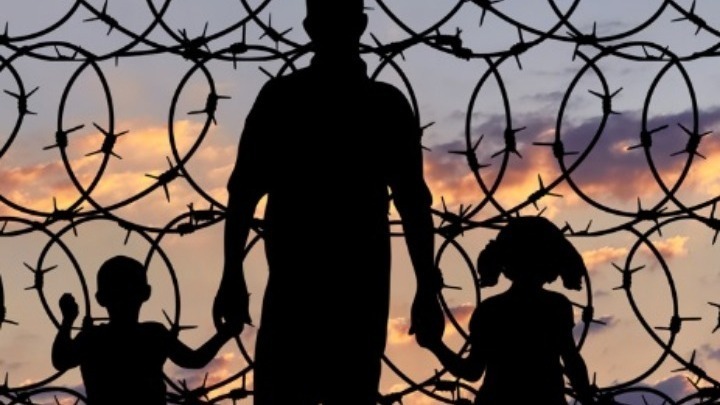
ΟΧΙ ΑΛΛΟΙ ΝΕΚΡΟΙ ΠΡΟΣΦΥΓΕΣ ΣΤΟ ΑΙΓΑΙΟ, ΟΧΙ ΑΛΛΕΣ ΠΑΡΑΝΟΜΕΣ ΑΠΕΛΑΣΕΙΣ ΣΤΟΝ ΕΒΡΟ!

Όχι άλλοι νεκροί πρόσφυγες στο Αιγαίο, όχι άλλες παράνομες απελάσεις στον Έβρο!


ΔΕΛΤΙΟ ΤΥΠΟΥ

Όχι άλλοι νεκροί πρόσφυγες στο Αιγαίο, όχι άλλες παράνομες απελάσεις στον
Έβρο!

Το νέο προσφυγικό ναυάγιο στα ανοιχτά της Μυτιλήνης, με μέχρι στιγμής επτά θύματα στα οποία συμπεριλαμβάνονται και δύο παιδιά, είναι αποτέλεσμα της αντιπροσφυγικής συμφωνίας ΕΕ – Τουρκίας που θωρακίζει τα κλειστά σύνορα, εξαναγκάζοντας τους πρόσφυγες να επιλέγουν τους πιο επικίνδυνους δρόμους διαφυγής από τη μοίρα του πολέμου, της καταστροφής και της πείνας, που πυροδότησαν οι ιμπεριαλιστικές επεμβάσεις και πολεμικές επιχειρήσεις.
Η πολιτική αυτή, στην οποία έχουν συμφωνήσει από κοινού όλα τα μνημονιακά κόμματα, είναι ρατσιστική και εγκληματική. Στον αντίποδα όσων ισχυρίζονται, ενισχύει στην πραγματικότητα το  trafficking και τους διακινητές, συμβαδίζοντας με τις παράνομες απελάσεις στην περιοχή του Έβρου από στρατιωτικά, αστυνομικά και παραστρατιωτικά σώματα.
Παράλληλα, παρέχει νομιμοποίηση σε κανιβαλικές αντιλήψεις που γιγαντώνουν την ακροδεξιά, μεταθέτοντας την ευθύνη από τους θύτες στα θύματα για τη μεταβολή του Αιγαίου σε πλωτό νεκροταφείο.
Όχι άλλοι νεκροί πρόσφυγες στο Αιγαίο, όχι άλλες παράνομες απελάσεις στον Έβρο!
Η Λαϊκή Ενότητα, μαζί με τις δυνάμεις του αντιρατσιστικού και του αντιφασιστικού κινήματος, απαιτεί την κατάργηση της αντιπροσφυγικής συμφωνίας ΕΕ – Τουρκίας και την κατοχύρωση νομίμων και ασφαλών δρόμων διέλευσης για ΟΛΟΥΣ τους πρόσφυγες προς τις χώρες όπου επιθυμούν να ζήσουν. Απαιτεί την απόσυρση των δυνάμεων του ΝΑΤΟ και της FRONTEX από το Αιγαίο, την ενίσχυση των μέτρων διάσωσης, και την επαναφορά σε ισχύ της καταργημένης στην πράξη διεθνούς Συνθήκης της Γενεύης. Απαιτεί την πλήρη και ισότιμη κοινωνική ένταξη των προσφύγων στα κράτη και στις κοινωνίες υποδοχής τους. Παλεύει για τον τερματισμό των ιμπεριαλιστικών πολέμων που εξαναγκάζουν εκατομμύρια ανθρώπους ανά τον πλανήτη σε μετανάστευση και προσφυγιά.
Για το Γραφείο Τύπου της Λαϊκής Ενότητας,
11/06/2019


11/6/2019

Σάββατο 15 Ιουνίου 2019

ΕΠΑΦΗ ΤΗΣ ΚΟΜΙΣΙΟΝ ΜΕ ΤΙΣ ΕΛΛΗΝΙΚΕΣ ΑΡΧΕΣ ΓΙΑ ΚΑΤΑΓΓΕΛΙΕΣ ΠΑΡΑΝΟΜΩΝ ΕΠΑΝΑΠΡΟΩΘΗΣΕΩΝ ΣΤΟΝ ΕΒΡΟ


Σε επαφή με τις ελληνικές αρχές σχετικά με τις καταγγελίες για παράνομες επαναπροωθήσεις μεταναστών στον Έβρο βρίσκεται η Ευρωπαϊκή Επιτροπή, σύμφωνα με την εκπρόσωπο για ζήτηματα Μετανάστευσης, Νατάσα Μπερτό. Ερωτηθείσα σχετικά με τις εν λόγω καταγγελίες, η Ν. Μπερτό ανέφερε πως η Επιτροπή έχει δει τα δημοσιεύματα για τις φερόμενες επαναπροωθήσεις. Δήλωσε επίσης ότι η Επιτροπή «λαμβάνει υπόψη της σοβαρά» όλες τις καταγγελίες που αναφέρονται σε κακομεταχείριση μεταναστών, εκφράζοντας παράλληλα «ανησυχία» για αυτές. Σημείωσε, δε, ότι η Επιτροπή βρίσκεται σε επαφή με τις ελληνικές αρχές και ότι είναι πάνω απ' όλα «ευθύνη των ελληνικών αρχών ο σεβασμός των δικαιωμάτων» των μεταναστών.
«Περιμένουμε τις ελληνικές αρχές να απαντήσουν σε αυτές τις καταγγελίες και συνεχίζουμε να παρακολουθούμε την κατάσταση από κόντά», κατέληξε η εκπρόσωπος της Επιτροπής.

11/6/2019

[EN] GREECE IN THE SPOTLIGHT OVER ALLEGED PUSHBACKS OF MIGRANTS TO TURKEY


GreekReporter 
Tasos Kokkinidis


The European Commission has contacted Greek authorities concerning reports of alleged illegal pushbacks of migrants to Turkey in the Evros region on Greece’s northeastern border. This news was confirmed by Commission spokesperson for Migration issues, Natasha Bertaud, on Tuesday.
“The Commission is, of course, always concerned about reports of mistreatment of migrants and refugees and we take these allegations very seriously. Any form of violence or abuse of migrants is unacceptable. We are, on this matter, in contact with the Greek authorities, as regards these allegations of mistreatment of non-EU nationals being denied the opportunity to apply for asylum,” Bertaud said.
She noted, however, that it was primarily the responsibility of Greek authorities to ensure that these rights are respected and that access to asylum procedures is provided to everyone who wants to apply, in accordance with EU laws and directives.
“The Commission expects that the Greek authorities will follow up on the specific allegations and will continue to monitor the situation closely,” Bertaud added.
The organization “Human Rights Watch” slammed Greece in a report last December, saying  law enforcement officers at the land border with Turkey in the northeastern Evros region summarily return asylum seekers and migrants routinely.
The organization interviewed dozens of migrants who reported hostile and even violent behavior by Greek police and individuals from unidentified forces who wore uniforms and masks without recognizable insignia.
The abuse reported included beatings using bare fists and batons, kicking, and, in one case, the use of what appeared to be a stun gun, the report alleged.
11/6/2019

Τετάρτη 5 Ιουνίου 2019

ΤΑ ΚΡΑΤΗ ΜΕΛΗ ΠΡΕΠΕΙ ΝΑ ΣΤΑΜΑΤΗΣΟΥΝ ΤΙΣ ΠΟΛΙΤΙΚΕΣ "PUSHBACK" ΚΑΙ ΤΗΝ ΑΠΕΛΑΣΗ ΤΩΝ ΜΕΤΑΝΑΣΤΩΝ

Αποτέλεσμα εικόνας για παρλιαμενταρυ ασσεμβλυ


 Η Επιτροπή Μετανάστευσης, που συνήλθε στη Ζυρίχη στις 29 Μαΐου, εξέφρασε την ανησυχία της για τη συνεχιζόμενη πρακτική και πολιτική των pushbacks, οι οποίες παραβιάζουν τα δικαιώματα των αιτούντων άσυλο και των προσφύγων, συμπεριλαμβανομένου του δικαιώματος ασύλου και του δικαιώματος προστασίας από την επαναπροώθηση . τον πυρήνα του διεθνούς προσφυγικού δικαίου. 

Αυτές οι προσπάθειες πραγματοποιούνται τόσο στα σύνορα της ΕΕ, όσο και στην επικράτεια των κρατών μελών, και είναι εν μέρει συνέπεια των ελλείψεων του κανονισμού του Δουβλίνου και της αποτυχίας των προσπαθειών για την καθιέρωση δίκαιου καταμερισμού ευθύνης στην Ευρώπη, εξηγεί η έκθεση του Tineke Strik (Κάτω Χώρες, SOC) που εγκρίθηκε από την επιτροπή.

Οι βουλευτές ανησυχούν επίσης για τις εκθέσεις και τα αποδεικτικά στοιχεία της απάνθρωπης και ταπεινωτικής μεταχείρισης των κρατών μελών και των υπηρεσιών τους στο πλαίσιο αυτών των πιέσεων, μέσω εκφοβισμού, κατάσχεσης ή καταστροφής της ιδιοκτησίας των μεταναστών, της χρήσης βίας ή της στέρησης τροφής και βασικών Υπηρεσίες. 

Αντιμετωπίζοντας τη σοβαρότητα αυτού του φαινομένου, η επιτροπή διατύπωσε σειρά συστάσεων στα κράτη μέλη σχετικά με τους συνοριακούς ελέγχους. υπηρεσίες στα σύνορα · ΝΟΜΙΚΗ ΥΠΟΣΤΗΡΙΞΗ; ιατρική και ψυχολογική βοήθεια και ΜΚΟ.

Κάλεσε τα κράτη να θέσουν τέρμα σε οποιοδήποτε μέτρο ή πολιτική που οδηγεί σε ανατροπές ή απελάσεις. να ενημερώνουν τους μετανάστες στα σύνορα σχετικά με τη νομική τους θέση και το δικαίωμά τους να ζητούν διεθνή προστασία σε γλώσσες που μπορούν να κατανοήσουν · και για να εξασφαλιστεί η καταχώριση και η επεξεργασία των αιτήσεων ασύλου. 

Επιπλέον, τα κράτη θα πρέπει να θεωρούν τις ΜΚΟ ως εταίρους και να μην υπονομεύουν τις νόμιμες δραστηριότητες τους που αποσκοπούν στη διάσωση ανθρώπινων ζωών, αποφεύγοντας τη χρήση στιγματιστικών ρητορικών, ανέφερε η επιτροπή.
Το εγκριθέν κείμενο καλεί επίσης τα μέλη της ΕΕ και του χώρου Σένγκεν να βελτιώσουν τους μηχανισμούς μετεγκατάστασης, προκειμένου να μειωθεί η πίεση στις χώρες που συνορεύουν με την Ευρώπη και να αποφευχθεί ο υπερπληθυσμός και η περιττή κράτηση. Από την πλευρά της, η Ευρωπαϊκή Επιτροπή πρέπει να δημιουργήσει έναν συστηματικό και ανεξάρτητο μηχανισμό για τον έλεγχο της συμμόρφωσης των πολιτικών διαχείρισης των συνόρων με τις διατάξεις της νομοθεσίας περί ασύλου. 

Τέλος, η επιτροπή πρότεινε στην Επιτροπή Υπουργών να ενθαρρύνει τα κράτη μέλη της ΕΕ να επιταχύνουν τις εργασίες τους σχετικά με έναν αναθεωρημένο κανονισμό του Δουβλίνου, προκειμένου να προωθηθεί περαιτέρω η κατανομή των ευθυνών και να μειωθεί η επιβάρυνση των πρώτων κρατών.
31/5/2019

[EN] MEMBER STATES MUST HALT 'PUSHBACK' POLICIES AND EXPULSION OF MIGRANTS

Αποτέλεσμα εικόνας για παρλιαμενταρυ ασσεμβλυ


 The Migration Committee, meeting in Zürich, on 29th May expressed concern at the persistent practice and policy of pushbacks, which are in violation of the rights of asylum-seekers and refugees, including the right to asylum and the right to protection against refoulement, at the core of international refugee law.

These pushbacks take place at EU borders as well as on the territory of member States further inland and are partly a consequence of the shortcomings of the Dublin Regulation and of the failure of attempts to introduce fair responsibility-sharing in Europe, explains the report by Tineke Strik (Netherlands, SOC) adopted by the committee.

The parliamentarians are also concerned at reports and evidence of inhuman and degrading treatment of member States and their agencies in the framework of those pushbacks, through intimidation, the confiscation or destruction of migrants' property, the use of violence or depriving them of food and basic services.

Faced with the seriousness of this phenomenon, the committee has formulated a set of recommendations to member States with respect to border controls; services at borders; legal assistance; medical and psychological assistance, and NGOs.

It called on States to put an end to any measure or policy leading to pushbacks or expulsions; to inform migrants at borders about their legal position and their right to apply for international protection in languages they can understand; and to ensure the registration and processing of asylum applications.

In addition, States should consider NGOs as partners and not undermine their legitimate activities aimed at saving human lives, while refraining from using stigmatising rhetoric, the committee said.
The adopted text also calls on the members of the EU and the Schengen area to improve mechanisms for relocation, in order to reduce the pressure on the countries bordering Europe and avoid overcrowding and unnecessary detention. For its part, the European Commission should set up a systematic and independent mechanism to monitor how far border management policies comply with the provisions of asylum law.

Finally, the committee proposed that the Committee of Ministers encourage EU member States to accelerate their work on a revised Dublin Regulation, to further promote responsibility-sharing and to relieve the burden on frontline states.
31/5/2019


[FR] LES ETATS MEMBRES DOIVENT METTRE FIN AUX POLITIQUES DE RENVOI ET D'EXPULSION DES MIGRANTS

Αποτέλεσμα εικόνας για παρλιαμενταρυ ασσεμβλυ

MIGRATIONS, RÉFUGIÉS ET PERSONNES DÉPLACÉES


La Commission des migrations, réunie à Zürich, a exprimé le 29 mai sa préoccupation concernant la pratique et les politiques persistantes des renvois, qui portent atteinte aux droits des demandeurs d’asile et des réfugiés, notamment le droit d’asile et le droit à la protection contre le refoulement, au cœur du droit international relatif aux réfugiés.

Ces renvois interviennent aux frontières de l’UE ainsi que plus loin à l’intérieur du territoire d’Etats membres et sont la conséquence, en partie, des défaillances du Règlement de Dublin et de l’échec des tentatives visant à instaurer un partage équitable des responsabilités en Europe, explique le rapport de Tineke Strik (Pays-Bas, SOC) adopté par la commission.

Les parlementaires s’inquiètent également d’informations et de preuves faisant état de traitements inhumains et dégradants infligés par les États membres et leurs agences dans le cadre de ces renvois, à savoir, intimidation, prise ou destruction de biens de migrants, utilisation de la violence et privation de nourriture et de services de base.

Face à la gravité de ce phénomène, la commission a formulé un ensemble de recommandations aux Etats membres concernant les contrôles et les services aux frontières ; l’assistance juridique ; l’assistance médicale et psychologique, et les ONG.

Elle a appelé les Etats à mettre fin à toute mesure ou politique entraînant des renvois ou des expulsions ; à informer les migrants, à leur arrivée aux frontières, sur leur situation juridique et leur droit de demander une protection internationale dans une langue qu’ils comprennent ; et à assurer l’enregistrement et le traitement des demandes d’asile.

En outre, les Etats devraient considérer les ONG comme des partenaires et ne pas compromettre leurs activités légitimes visant à sauver des vies humaines, en s’abstenant de tout discours stigmatisant, a déclaré la commission. Le texte adopté appelle aussi les Etats membres de l’UE et parties à l’espace Schengen, à améliorer les mécanismes de relocalisation pour réduire les pressions pesant sur les pays aux frontières de l’Europe, et éviter le surpeuplement et les rétentions inutiles. De son côté, la Commission européenne devrait mettre en place un mécanisme de contrôle systématique et indépendant de la conformité des politiques de gestion des frontières avec les dispositions en matière d'asile.

Enfin, la commission a proposé que Comité des Ministres encourage les États membres de l'UE à accélérer leurs travaux sur un règlement de Dublin révisé, pour favoriser un partage égal des responsabilités et alléger la charge des États se trouvant en première ligne.
31/5/2019

http://assembly.coe.int/nw/xml/News/News-View-FR.asp?newsid=7506&lang=1&cat=

Δευτέρα 3 Ιουνίου 2019

ΑΠΟΚΛΕΙΣΤΙΚΗ ΣΥΓΚΛΟΝΙΣΤΙΚΗ ΜΑΡΤΥΡΙΑ ΑΠΟ ΤΟ ΤΕΛΕΥΤΑΙΟ PUSH-BACK ΣΤΟΝ ΕΒΡΟ

Το χρονικό μιας βίαιης επαναπροώθησης


LIFO
ΔΗΜΗΤΡΑ ΤΡΙΑΝΤΑΦΥΛΛΟΥ

Θα πρέπει να αξιοποιηθούν οι μαρτυρίες τους, ώστε να αποκαλυφθεί ποιο είναι αυτό το δίκτυο παρακρατικών που δρα στα ελληνικά σύνορα "κάτω από τη μύτη", ελπίζουμε όχι με την ανοχή, των επίσημων αρχών.


Tις τελευταίες ημέρες, το συνεχιζόμενο και υπαρκτό δράμα των push- backs (βίαιες επαναπροωθήσεις στα σύνορα με την Τουρκία) έχει φουντώσει ξανά στο αχανές και σκοτεινό τοπίο του ποταμού Έβρου, εκεί όπου, όπως σταθερά καταγγέλλουν το τελευταίο διάστημα ανθρωπιστικές οργανώσεις, ΜΚΟ και αιτούντες άσυλο, πραγματοποιούνται παράνομες επαναπροωθήσεις από τις ελληνικές αρχές, με την υποψία μάλιστα της συμμετοχής παραστρατιωτικών στοιχείων.

Το τελευταίο σοβαρό περιστατικό συνέβη το βράδυ της Μεγάλης Παρασκευής, όταν μια ομάδα 11 Τούρκων προσφύγων, μεταξύ των οποίων και μια έγκυος γυναίκα, κατάφεραν να περάσουν τον Έβρο, για να επαναπροωθηθούν λίγες ώρες αργότερα, σύμφωνα με τις καταγγελίες τους, από Έλληνες αστυνομικούς, στρατιωτικούς και έναν κουκουλοφόρο.

Σύμφωνα με αυτές τις καταγγελίες και την αποκλειστική μαρτυρία των ανθρώπων που υπέστησαν το push-back, τόσο η έγκυος όσο και τα υπόλοιπα μέλη χτυπήθηκαν με ρόπαλα από Έλληνες αστυνομικούς και στρατιωτικούς και επαναπροωθήθηκαν βίαια σε τουρκικό έδαφος. Το περιστατικό συνέβη στις 21:00 κοντά στο Σουφλί Έβρου. Τα ξημερώματα του Μ. Σαββάτου η ομάδα κατάφερε να διασχίσει ξανά τον ποταμό και να έρθει σε ελληνικό έδαφος.

Οι επαναπροωθήσεις, οι οποίες 
δεν είναι καινούργιο 
φαινόμενο, συμβαίνουν πάντα 
παράλληλα με τις νόμιμες 
συλλήψεις. Η πραγματικότητα 
των συλλήψεων δεν αναιρεί την 
πραγματικότητα των 
επαναπροωθήσεων.


Το ιστορικό μιας βίαιης επαναπροώθησης

Το Μεγάλο Σάββατο, 26 Απριλίου, ξεκινήσαμε, μέσω WhatsΑpp, να συνομιλούμε με ένα από τα μέλη της ομάδας που είχαν επαναπροωθηθεί και είχαν ξανάρθει στην Ελλάδα. Βασικός συνομιλητής μας ο 33 άχρονος A., Τούρκος πρώην διπλωμάτης που εκδιώχθηκε από τη θέση του στη χώρα του, επειδή είναι γκιουλενιστής. Κατά τη διάρκεια της δραματικής συνομιλίας μας, 11 άτομα, μαζί με αυτόν, κρύβονταν φοβισμένα στις όχθες του ποταμού Έβρου. Ο ίδιος μάς είπε χαρακτηριστικά, έχοντας δίπλα του την έγκυο γυναίκα του:

Κυριακή 2 Ιουνίου 2019

[EN] MIGRANTS INCREASINGLY RISK LIVES ARRIVING IN GREECE BY RIVER OR SEA

EURONEWS


Migrants are increasingly arriving in Greece by river or sea after Athens put up a 10-kilometre fence on the Turkish border to stop the flow of migrants in 2012.
Euronews correspondents Fay Doulgkeri and Bryan Carter travelled 800 kilometres across Greece to the Evros river, which forms a natural border between Greece and Turkey near the city of Alexandropouli, Greece.
Migrants either cross the Evros river or take a boat across the Mediterranean to arrive in the port at Alexandropouli. Before Greece erected the fence, it was easier to cross by land.
“Fences or other measures will not stop the refugee flows, but may lead to dangerous crossing points that have serious consequences to the lives or the health of persons,” UN Refugee Agency (UNHCR) Protection officer, Margaritis Petritzikis told Euronews.
The UNHCR estimates that between January and April 2019, a total of 7,097 refugees and migrants arrived in Greece via the Mediterranean sea despite some progress to increase legal pathways to Europe.
Indeed at a reception centre in Filakio, Greece, Euronews' correspondents met an Afghan couple who had crossed the sea, arriving by boat in Alexandropouli.
“After three times we succeeded to come here, we crossed the border and reached Alexandropouli,” the couple said.
They've been at the reception centre for three months.
Local journalist Thanassis Tsolakis worries that this route into Alexandropouli via sea will become a trend.
If it does, he says, “it will be a humanitarian disaster. We will have a serious problem. We will see people drowning in bigger numbers than today. There will be a lot more lives lost, and this is something very new for the authorities to deal with.”
Migrants who make it to Greece often end up in the closed reception centre in Filakio where 250 migrants from Syria, Iraq, Afghanistan and Pakistan are held. Roughly half are children or barely adults. There, they wait for the asylum request procedure to be completed. It can often take several weeks.
Most of the migrants there came to Greece by crossing the Evros river, a method of arriving that often increases during the spring and summer since the refugees can cross the river more easily.
A local fisherman described seeing migrants and smugglers on the river, often putting lives at risk.
“I saw from my own eyes how a man can drown, in just half a metre of water," said local fisherman Thanassis Kamilaris.
"It’s like taking a rock and throwing it in the water, he reached the bottom that fast, and there was another person next to him standing and he grabbed him from his back and he pulled him out of the water, and I thought he would drown, he didn’t know how to swim at all."
10/5/2019

Σάββατο 18 Μαΐου 2019

ΔΕΛΤΙΟ ΤΥΠΟΥ ΤΟΥ ΕΣΠ ΓΙΑ ΕΠΑΝΑΛΑΜΒΑΝΟΜΕΝΕΣ ΚΑΤΑΓΓΕΛΙΕΣ ΕΠΑΝΑΠΡΟΩΘΗΣΕΩΝ ΣΤΟΝ ΕΒΡΟ

Αποτέλεσμα εικόνας για ΕΣΠ

Αθήνα, 9 Μαΐου 2019—Το  Ελληνικό Συμβούλιο για τους Πρόσφυγες έχει γίνει τις τελευταίες δύο εβδομάδες αποδέκτης επαναλαμβανόμενων καταγγελιών για επαναπροωθήσεις Τούρκων πολιτών από την περιοχή του Έβρου, για τις οποίες οι οικείοι τους θα ακολουθήσουν την δικαστική οδό για τη διερεύνησή τους.
Το Ελληνικό Συμβούλιο για τους Πρόσφυγες εκφράζει την βαθιά ανησυχία του για τις καταγγελίες αυτές, οι οποίες έρχονται μετά από σειρά αναφορών παρόμοιων περιστατικών κατά το προηγούμενο έτος καθώς επίσης και μετά από τις συστάσεις διεθνών και εθνικών οργανισμών προστασίας των δικαιωμάτων του ανθρώπου για την αποτελεσματική διερεύνηση των καταγγελιών αυτών[1].
Το Ελληνικό Συμβούλιο για τους Πρόσφυγες καλεί τις αρμόδιες δικαστικές αρχές να διερευνήσουν αποτελεσματικά τις σχετικές καταγγελίες και απευθύνει έκκληση για τον σεβασμό των δικαιωμάτων των προσφύγων που καταφεύγουν στην ελληνική Επικράτεια, διωκόμενοι από τη χώρα καταγωγής τους.

Βλ. μεταξύ άλλων τις διαπιστώσεις της Ευρωπαϊκής Επιτροπής για την Πρόληψη των Βασανιστηρίων σχετικά με τις συστηματικές επαναπροωθήσεις στην πρόσφατη έκθεσή της για την Ελλάδα, Report to the Greek Government on the visit to Greece carried out by the European Committee for the Prevention of Torture and Inhuman or Degrading Treatment or Punishment (CPT) from 10 to 19 April 2018, https://rm.coe.int/1680930c9a

9/5/2019

[EN] GREECE: DETENTION REMAINS A SYSTEMATIC AND ARBITARY PRACTICE

ECRE
European Council on Refugees and Exiles


Greece: Detention Remains a Systematic and Arbitrary Practice

Immigration detention remains a systematic and often arbitrary practice in Greece, according to a recent report published by the Greek Council for Refugees (GCR) with observations throughout the country.
The report illustrates how persisting obstacles to accessing the asylum procedure in Greece contribute to risks of arbitrary detention. Many persons found in detention centres due to a lack of documentation had previously unsuccessfully tried to apply for asylum. At the same time, access to the procedure from detention remains equally challenging. Delays in the lodging of applications made by people in detention may reach one or even four months in certain cases.
Grounds for detention of asylum seekers are widely read and applied without a thorough individualised assessment. Some groups of asylum seekers are automatically detained either upon arrival on the Eastern Aegean islands under a “pilot project” implemented on Lesvos, Kos and Leros, or following a second-instance rejection of their asylum applications. The effectiveness of judicial review of detention through the “objections” procedure remains limited since Administrative Courts do not hold hearings and do not scrutinise detention conditions, while their decisions cannot be appealed to a higher court. Automatic (ex officio) review of detention is also ineffective, with the Administrative Court of Athens ordering release from detention only in 4 out of 1,359 cases examined in 2018.
Other forms of detention in Greece lack legal basis altogether. These include: detention in the context of pushbacks at the Greek-Turkish land border; detention prior to the referral of persons to the Reception and Identification Centre of Fylakio, Evros; detention of asylum seekers who have violated their geographical restriction on the Eastern Aegean islands.
According to statistics published by GCR in the AIDA report on Greece the number of persons detained in pre-removal detention centres rose from 14,864 in 2016 to 25,810 in 2017 and 31,126 in 2018. Specifically, the number of asylum seekers detained in pre-removal centres increased from 4,072 in 2016 to 9,534 in 2017 and almost doubled to 18,204 in 2018.
For further information:

This article appeared in the ECRE Weekly Bulletin . You can subscribe to the Weekly Bulletin here.


3/5/2019

https://www.ecre.org/greece-detention-remains-a-systematic-and-arbitrary-practice/