Search...

Σάββατο 22 Ιουνίου 2019

[EN] PRESS RELEASE RE: REFUGEES-AND-LATEST-PUSHBACKS-IN-GREECE

Αποτέλεσμα εικόνας για advocates of silenced turkey (ast) ICON


Introduction
“No one puts their children in a boat unless the boat is safer than the land.” (Warshan Shire, Home)
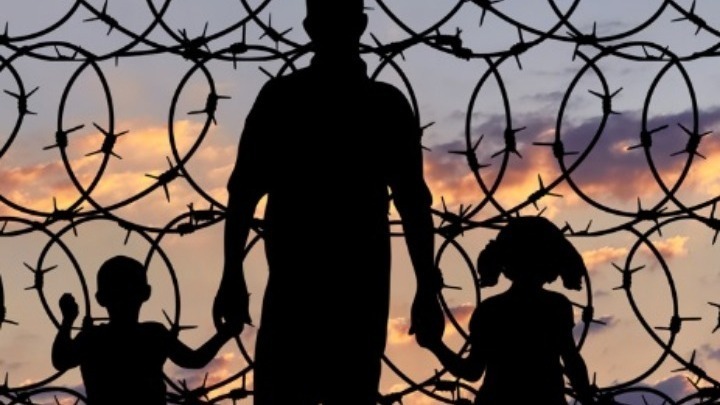
Thousands of refugees fleeing their homeland due to violence, terror, or political prosecution use Greece as an entry gate to Europe. Since the beginning of 2014, over 1.1 million refugees have crossed the borders of Greece(3). Most of the refugees have chosen to go by sea in order to land on one of the Greek islands in the Aegean Sea, but recently a growing number of refugees have begun to use Evros as a passage from Turkey to Greece. In recent years, besides refugees who are using Turkey as a transitway to Greece, Turkish citizens who were forced to flee Turkey due to a massive witch-hunt have also used the same route. This witch-hunt was launched by the Justice and Development Party (AKP) government against the sympathizers of the Gulen Movement following a failed coup attempt on July 15, 2016. Many of these citizens attempted to escape Turkey using illegal methods as the Turkish government canceled their passports.
So far, the asylum-seeking Turkish citizens who cross the Evros to escape from a tyrannical regime in Turkey are embraced humanely by the Greek authorities. However, there have been recent reports of several push-back cases, in which groups of Turkish asylum-seekers were beaten by masked men and forced back to Turkey.
Human Rights Abuses in Turkey After July 15, 2016
Following the coup attempt on July 15, 2016, the Turkish government declared a state of emergency and began to target any individual opposing the government, the Gulen Movement in particular. The Gulen Movement is also known as the “Hizmet Movement,” “hizmet” meaning service in Turkish. It is a faith-based group of people engaging in different voluntary activities such as education, business, and health, and has been the primary target of the government. Alleged supporters of the movement in Turkey are faced with arrest, imprisonment, torture, inhumane and degrading treatment, denial of fair treatment, labeling, confiscation, and passport seizure.
According to a report released by the United States Department of State on human rights practices in Turkey in 2018 (2), between July 2016 and July 2018, Turkish Ministry of Justice reported that “investigations” were opened into 612,347 persons, the majority of whom were affiliated with the Gulen movement. Authorities prosecuted 1,519 lawyers and dismissed 7,257 academics and more than 4,000 judges and prosecutors. After the coup, the government operated prisons became filled with people who were detained and awaiting trial and began to operate over capacity. 28 individuals disappeared, some kidnapped in broad daylight in front of their families. Reports of torture, mistreatment, and abuse skyrocketed from tens in 2017 to more than 2,500 in 2018. 51 people lost their lives under suspicious circumstances in official custody.
In addition to opening investigations into persons associated with the movement, the government has made many attempts to limit its citizen’s physical freedom and freedom of speech. 155,000 individuals whose family members were allegedly connected to the Gulen movement were banned from traveling, and the government has investigated over 45,000 social media accounts and blocked more than 50,000 websites. Furthermore, during the first six months of 2018, Twitter received 8,988 court orders and requests from authorities to remove content.
Refugees and Latest Push-backs in Greece
Due to its geographical location, Greece has been the forefront of the influx of migrants and asylum seekers fleeing their home country due to wars, political instability, and economic crises. In the last couple of years, a significant number of Turkish citizens have also begun to cross the border between Turkey and Greece and sought asylum due to the Turkish government’s targeting of dissidents belonging to different ideologies, particularly the Gulen Movement.
Immigrants fleeing from Turkey to Greece either cross the Aegean Sea or the land border between Turkey and Greece that is almost entirely formed by the Evros river. The land border between Turkey and Greece is one of the easternmost frontiers of the European Union. Up until a fence went up on all but 12 kilometers of the Evros in 2012, it was the easiest and safest path for asylum seekers from the Middle East and elsewhere to reach Europe. According to the Greece country report released in March 2019 by the European Council on Refugees and Exiles (3)“18,014 persons arrived in Greece through the Greek-Turkish land border of Evros in 2018, compared to 6,592 in 2017.” The same report detailed “a substantial increase of applications submitted from Turkish nationals” in 2018; 4,834 applications in 2018, compared to 1,826 in 2017 and 189 in 2016.
In addition to its own economic problems, Greece has long been dealing with an immigration crisis which has had further economic and social impacts on the country. Faced with a flood of refugees from Greece’s land border with Turkey over the past several years, according to DW News (9), Greek guards are overwhelmed with the task of protecting the borders from refugees and the refugees from violent push-backs. According to a report released by Council of Europe’s Committee for the Prevention of Torture and Inhuman or Degrading Treatment or Punishment (CPT), “foreign nationals were returned from Greece to Turkey by boat across the Evros River; some of the persons met alleged that they had been ill-treated (including baton blows to the head) by police and border guard officers or (para-) military commandos during such operations.”(10) According to a news article in The Guardian (11)several unidentified masked men participated in abusing the refugees and forced them back to the Turkish border in freezing temperatures at night without any clothing.
Although there were numerous reports of push-backs made by an unidentified group of people towards immigrants in the past (4), the immigrants who were mainly Turkish citizens never reported any mistreatment on the Greek side of the border until recently. In the last couple of months, there have been several reports that Turkish asylum seekers who entered Greece through the Evros river were beaten by masked men and pushed back into Turkey.
According to ipa.news (5) and Bold (13)while trying to seek asylum in Greece, the Gul family were pushed back into Turkey by masked and armed men dressed in camouflage. Halil Gul, Seher Gul, and their three children entered Greece but were denied entry on Monday. Halil and Seher Gul were taken into custody by the gendarme in the Turkish border city of Edirne. Relatives of the family were called to pick the children up. Zubeyir Koculu, a journalist in Athens, reported the latest update regarding the issue as follows: “A total number of 32 Turkish political asylum seekers were pushed back to Turkey through Evros in the last four days after they arrived in Greece. 17 of them were arrested in Turkey, 11 of them managed to cross the border again and are being kept in custody.”
As reported by keeptalkinggreece.com, ipa.news (12), and Bold (13), a group of 15 people fleeing persecution in Turkey were pushed back to Turkey after crossing the Greek border by masked men using brute force. A family of 4 were arrested by the Turkish police and the remaining 11 people, after a second attempt to enter Greece soil, were detained by Greek police at around 2 P.M. on Saturday near the border and taken into custody according to the Greek Council for Refugees (GCR), a nongovernmental organization defending human rights and fighting against illegal pushbacks in the region. In his e-mail to UN representatives, Muhammed Ihsan Erdogan, a Turkish political asylum seeker who currently resides in Athens, says that on May 4th, 2019, around 5:30, three Turkish political asylum seekers, one of whom was his sister, crossed the Evros river in order to come to Greece and were very close to Orestiada. He was asking for help because his sister and two others were afraid of being pushed back into Turkey. His sister also sent a similar message to UN representatives stating that they were afraid of inhumane treatment and being pushed back into Turkey, which would put their lives in danger. However, after these two messages, these three people were pushed back into Turkey and Mr. Erdogan’s sister, Ayse Reyhane Erdogan, was put behind bars in a Turkish prison for two years.
According to a Twitter message from Tihomir Sabchev, in an article that appeared in the Greek magazine Lifo, “people testified in front of lawyers in Thessaloniki” that they were beaten by the police, their possessions were thrown away in the river, they were pushed back. Then they identified one of the policemen in front of UN representatives.”(14)
According to a news article at Euronews.com (15)scores of Turkish asylum seekers were pushed back, sometimes violently. It is said in the news that witnesses claimed that various groups, some uniformed, used physical force against those who resisted. Since April 23, 2019, up to the date the news was published, May 13, 2019, 82 people from Turkey, including children, who crossed the Turkish border for seeking political asylum were sent back to Turkey. Around half of those who returned were arrested by Turkish officials on charges that they were involved in the 2016 military coup.
The pushbacks raised concerns among human rights activists and those who are sensitive to such matters. Ten Greek refugee NGOs urged for the immediate investigation of reports of collective expulsions in the Evros region (8). In addition, Rebecca Harms, a member of the EU Parliament, stated that this situation violates international law. According to Euronews.com (15), The European Commission urged Greece to follow up on the allegations of pushbacks.
Many Turkish asylum-seekers in Greece say they feel safe in Greece (7) and have been treated well. However, the latest reports of push-back incidents raise serious concerns among advocates of human rights.

ΑΝΑΚΟΙΝΩΣΗ -ΚΑΤΑΓΓΕΛΙΑ ΓΙΑ ΑΠΕΛΑΣΕΙΣ ΠΟΛΙΤΙΚΩΝ ΠΡΟΣΦΥΓΩΝ ΣΤΗΝ ΠΕΡΙΟΧΗ ΕΒΡΟΥ


Ανακοίνωση-Καταγγελία για απελάσεις πολιτικών προσφύγων στην περιοχή Έβρου


ΑΝΑΚΟΙΝΩΣΗ – ΚΑΤΑΓΓΕΛΙΑ
Στις 5 Ιούνη δύο αγωνιστές της τουρκικής αριστερής οργάνωσης Partizan, που διώκονται από το φασιστικό καθεστώς του Ερντογάν για την επαναστατική τους δράση, μπήκαν στην Ελλάδα από τον ποταμό Έβρο για να ζητήσουν πολιτικό άσυλο. Σύμφωνα με καταγγελία της Partizan, η ελληνική αστυνομία, χωρίς καμία διαδικασία, παρέδωσε παράνομα τους δύο αγωνιστές στις τουρκικές αρχές, οι οποίες τους έχουν ήδη φυλακίσει στις φυλακές τύπου F (λευκά κελιά) στο Τεκίρνταγ. Είναι σίγουρο ότι τους περιμένουν βασανιστήρια, καταδίκες και μακρόχρονη φυλάκιση.
Αυτή η ενέργεια της ελληνικής αστυνομίας δεν είναι ούτε μεμονωμένη, ούτε τυχαία. Η άμεση απέλαση στην Τουρκία προσφύγων που εισέρχονται στη χώρα και ζητούν άσυλο είτε για πολιτικούς είτε για ανθρωπιστικούς λόγους, είναι πλέον μια συνεχής, συγκεκριμένη και «άνωθεν» εντεταλμένη πολιτική πρακτική. Δίπλα στην αστυνομία, αρωγοί σ’ αυτό το «ευάρεστο» έργο της, στέκουν παρακρατικές ομάδες κουκουλοφόρων που αλωνίζουν την παραμεθόριο περιοχή, συλλαμβάνουν και απελαύνουν πρόσφυγες με «συνοπτικές» διαδικασίες. Τις περισσότερες φορές μάλιστα αυτό γίνεται ύστερα από βασανιστήρια και εκβιασμούς.
Στις 6 Ιούνη, όπως καταγγέλθηκε από το συγγραφέα Α. Δοξιάδη και δημοσιεύτηκε σε πολλά ηλεκτρονικά μέσα, παραδόθηκαν στην τουρκική ασφάλεια τρεις νεαροί τούρκοι μηχανικοί που ζήτησαν πολιτικό άσυλο, αφού κρατήθηκαν για ώρες στο αστυνομικό τμήμα Νέου Χειμωνίου, όπου και τους αφαιρέθηκαν έγγραφα και προσωπικά αντικείμενα.
Στις 5 Μάη, συνέβη αντίστοιχο περιστατικό στην ίδια περιοχή, με την απέλαση ομάδας Τούρκων και Σύρων πολιτών, μεταξύ των οποίων και η Αϊσά Ερντογάν, που πλέον κρατείται στις φυλακές Αδριανούπολης. Η καταγγελία του αδελφού της και του δικηγόρου της έχει δημοσιευτεί σε ελληνικά και ξένα ΜΜΕ.
Στις 26 Απρίλη, στην περιοχή Σουφλίου, 15 Τούρκοι πρόσφυγες, μεταξύ των οποίων και η δημοσιογράφος Τούγμπα Οτσκάν που έκανε την καταγγελία, συνελήφθηκαν από κουκουλοφόρους και αφού ξυλοκοπήθηκαν προωθήθηκαν με τη βία στην Τουρκία.
Στις 23 Απρίλη, η ίδια «ιστορία», με απέλαση 82 ατόμων και τη συνεργασία αστυνομίας και ομάδων κουκουλοφόρων με στρατιωτική και πολιτική περιβολή.
Ο κατάλογος είναι μακρύς και οι καταγγελίες συγγενών, δικηγόρων, ανθρωπιστικών και πολιτικών οργανώσεων δείχνουν ένα αναμφισβήτητο γεγονός: Την αρμονική συνεργασία των ελληνικών και τουρκικών διωκτικών αρχών ενάντια σε πρόσφυγες και μετανάστες, ενάντια στους αγωνιστές της αριστεράς, τους επαναστάτες και τους κομμουνιστές.
Αυτούς, που οι αντιδραστικοί όλου του κόσμου, και φυσικά ο Ερντογάν και το καθεστώς του, και πρώτοι από όλους οι αμερικανοί και ευρωπαίοι ιμπεριαλιστές χαρακτηρίζουν σαν «τρομοκράτες», που τους συλλαμβάνουν, τους δικάζουν και τους φυλακίζουν. Όπως τους αγωνιστές της ΑΤΙΚ σε διάφορες ευρωπαϊκές χώρες, μεταξύ των οποίων και η Ελλάδα.
Σ’ αυτό το καθήκον «ξεπερνιούνται» τοπικοί ανταγωνισμοί και αστικά συμφέροντα. Οι κυρίαρχες τάξεις της Ελλάδας και της Τουρκίας έχουν ασυμβίβαστες αντιθέσεις μεταξύ τους, δεν ξεχνούν όμως ποτέ ότι κοινός εχθρός τους είναι ο λαός -κυρίως τα αγωνιζόμενα τμήματά του- απ’ όποια πλευρά του Αιγαίου κι αν βρίσκεται. Η όποια «διαφοροποίηση» στη μεταχείριση των διωκόμενων, έχει να κάνει ακριβώς με αυτές τις αντιθέσεις, τους ανταγωνισμούς, τους εκβιασμούς και τα παζάρια, όπως προσδιορίζονται και από τις στοχεύσεις και τις εντολές των ιμπεριαλιστών (ΗΠΑ και ΕΕ), πάντα σε βάρος των λαών και χωρίς να ξεπερνιέται αυτή η «κόκκινη γραμμή».
Εκφραστής αυτής της πολιτικής κατεύθυνσης ο ΣΥΡΙΖΑ και η κυβέρνησή του, είναι υπεύθυνος για τις μαζικές απελάσεις και για την παράδοση αγωνιστών στο φασιστικό καθεστώς του Ερντογάν. Γίνεται συνεργός στις διώξεις, τα βασανιστήρια και την εξόντωσή τους. Κι αυτό δεν είναι απλώς μια «ηθική» επισήμανση, αλλά μια πολιτική καταγγελία, μια ακόμη αποκάλυψη των ψεύτικων διακηρύξεων του ΣΥΡΙΖΑ για τις… «προοδευτικές δυνάμεις» που πρέπει να μπουν φραγμός στην αντιδραστική δεξιά. Δεν έχουμε καμιά αμφιβολία πως η ΝΔ συμφωνεί και επαυξάνει σ’ αυτή την πολιτική γραμμή. Δεν έχουμε καμιά αμφιβολία πως συνολικά οι πολιτικές δυνάμεις του συστήματος δε δίνουν δεκάρα για τα «ανθρώπινα δικαιώματα» και για τη ζωή των προσφύγων και μεταναστών. Δεν έχουμε καμιά αμφιβολία ότι φραγμός σ’ αυτήν την απάνθρωπη πολιτική είναι μόνο ο λαός μας και οι αγώνες του.
  • Καταγγέλλουμε τις συνεχείς απελάσεις προσφύγων και αγωνιστών που διώκονται από το καθεστώς Ερντογάν και απαιτούμε το άμεσο σταμάτημά τους.
  • Απαιτούμε άσυλο και δικαιώματα για τους πρόσφυγες.
  • Καλούμε τον ελληνικό λαό, τους εργαζόμενους και τη νεολαία να αναπτύξουν την αλληλεγγύη τους με τους γειτονικούς λαούς, μέσα από τους αγώνες ενάντια στους κοινούς εχθρούς, τις αστικές τάξεις, τους ιμπεριαλιστές και τους πολέμους τους, το φασισμό και τον εθνικισμό.
ΟΡΓΑΝΩΣΕΙΣ ΘΡΑΚΗΣ ΤΟΥ
KKEμ-λ.


19/6/2019

ΟΧΙ ΑΛΛΟΙ ΝΕΚΡΟΙ ΠΡΟΣΦΥΓΕΣ ΣΤΟ ΑΙΓΑΙΟ, ΟΧΙ ΑΛΛΕΣ ΠΑΡΑΝΟΜΕΣ ΑΠΕΛΑΣΕΙΣ ΣΤΟΝ ΕΒΡΟ!

Όχι άλλοι νεκροί πρόσφυγες στο Αιγαίο, όχι άλλες παράνομες απελάσεις στον Έβρο!


ΔΕΛΤΙΟ ΤΥΠΟΥ

Όχι άλλοι νεκροί πρόσφυγες στο Αιγαίο, όχι άλλες παράνομες απελάσεις στον
Έβρο!

Το νέο προσφυγικό ναυάγιο στα ανοιχτά της Μυτιλήνης, με μέχρι στιγμής επτά θύματα στα οποία συμπεριλαμβάνονται και δύο παιδιά, είναι αποτέλεσμα της αντιπροσφυγικής συμφωνίας ΕΕ – Τουρκίας που θωρακίζει τα κλειστά σύνορα, εξαναγκάζοντας τους πρόσφυγες να επιλέγουν τους πιο επικίνδυνους δρόμους διαφυγής από τη μοίρα του πολέμου, της καταστροφής και της πείνας, που πυροδότησαν οι ιμπεριαλιστικές επεμβάσεις και πολεμικές επιχειρήσεις.
Η πολιτική αυτή, στην οποία έχουν συμφωνήσει από κοινού όλα τα μνημονιακά κόμματα, είναι ρατσιστική και εγκληματική. Στον αντίποδα όσων ισχυρίζονται, ενισχύει στην πραγματικότητα το  trafficking και τους διακινητές, συμβαδίζοντας με τις παράνομες απελάσεις στην περιοχή του Έβρου από στρατιωτικά, αστυνομικά και παραστρατιωτικά σώματα.
Παράλληλα, παρέχει νομιμοποίηση σε κανιβαλικές αντιλήψεις που γιγαντώνουν την ακροδεξιά, μεταθέτοντας την ευθύνη από τους θύτες στα θύματα για τη μεταβολή του Αιγαίου σε πλωτό νεκροταφείο.
Όχι άλλοι νεκροί πρόσφυγες στο Αιγαίο, όχι άλλες παράνομες απελάσεις στον Έβρο!
Η Λαϊκή Ενότητα, μαζί με τις δυνάμεις του αντιρατσιστικού και του αντιφασιστικού κινήματος, απαιτεί την κατάργηση της αντιπροσφυγικής συμφωνίας ΕΕ – Τουρκίας και την κατοχύρωση νομίμων και ασφαλών δρόμων διέλευσης για ΟΛΟΥΣ τους πρόσφυγες προς τις χώρες όπου επιθυμούν να ζήσουν. Απαιτεί την απόσυρση των δυνάμεων του ΝΑΤΟ και της FRONTEX από το Αιγαίο, την ενίσχυση των μέτρων διάσωσης, και την επαναφορά σε ισχύ της καταργημένης στην πράξη διεθνούς Συνθήκης της Γενεύης. Απαιτεί την πλήρη και ισότιμη κοινωνική ένταξη των προσφύγων στα κράτη και στις κοινωνίες υποδοχής τους. Παλεύει για τον τερματισμό των ιμπεριαλιστικών πολέμων που εξαναγκάζουν εκατομμύρια ανθρώπους ανά τον πλανήτη σε μετανάστευση και προσφυγιά.
Για το Γραφείο Τύπου της Λαϊκής Ενότητας,
11/06/2019


11/6/2019

Σάββατο 15 Ιουνίου 2019

ΕΠΑΦΗ ΤΗΣ ΚΟΜΙΣΙΟΝ ΜΕ ΤΙΣ ΕΛΛΗΝΙΚΕΣ ΑΡΧΕΣ ΓΙΑ ΚΑΤΑΓΓΕΛΙΕΣ ΠΑΡΑΝΟΜΩΝ ΕΠΑΝΑΠΡΟΩΘΗΣΕΩΝ ΣΤΟΝ ΕΒΡΟ


Σε επαφή με τις ελληνικές αρχές σχετικά με τις καταγγελίες για παράνομες επαναπροωθήσεις μεταναστών στον Έβρο βρίσκεται η Ευρωπαϊκή Επιτροπή, σύμφωνα με την εκπρόσωπο για ζήτηματα Μετανάστευσης, Νατάσα Μπερτό. Ερωτηθείσα σχετικά με τις εν λόγω καταγγελίες, η Ν. Μπερτό ανέφερε πως η Επιτροπή έχει δει τα δημοσιεύματα για τις φερόμενες επαναπροωθήσεις. Δήλωσε επίσης ότι η Επιτροπή «λαμβάνει υπόψη της σοβαρά» όλες τις καταγγελίες που αναφέρονται σε κακομεταχείριση μεταναστών, εκφράζοντας παράλληλα «ανησυχία» για αυτές. Σημείωσε, δε, ότι η Επιτροπή βρίσκεται σε επαφή με τις ελληνικές αρχές και ότι είναι πάνω απ' όλα «ευθύνη των ελληνικών αρχών ο σεβασμός των δικαιωμάτων» των μεταναστών.
«Περιμένουμε τις ελληνικές αρχές να απαντήσουν σε αυτές τις καταγγελίες και συνεχίζουμε να παρακολουθούμε την κατάσταση από κόντά», κατέληξε η εκπρόσωπος της Επιτροπής.

11/6/2019

[EN] GREECE IN THE SPOTLIGHT OVER ALLEGED PUSHBACKS OF MIGRANTS TO TURKEY


GreekReporter 
Tasos Kokkinidis


The European Commission has contacted Greek authorities concerning reports of alleged illegal pushbacks of migrants to Turkey in the Evros region on Greece’s northeastern border. This news was confirmed by Commission spokesperson for Migration issues, Natasha Bertaud, on Tuesday.
“The Commission is, of course, always concerned about reports of mistreatment of migrants and refugees and we take these allegations very seriously. Any form of violence or abuse of migrants is unacceptable. We are, on this matter, in contact with the Greek authorities, as regards these allegations of mistreatment of non-EU nationals being denied the opportunity to apply for asylum,” Bertaud said.
She noted, however, that it was primarily the responsibility of Greek authorities to ensure that these rights are respected and that access to asylum procedures is provided to everyone who wants to apply, in accordance with EU laws and directives.
“The Commission expects that the Greek authorities will follow up on the specific allegations and will continue to monitor the situation closely,” Bertaud added.
The organization “Human Rights Watch” slammed Greece in a report last December, saying  law enforcement officers at the land border with Turkey in the northeastern Evros region summarily return asylum seekers and migrants routinely.
The organization interviewed dozens of migrants who reported hostile and even violent behavior by Greek police and individuals from unidentified forces who wore uniforms and masks without recognizable insignia.
The abuse reported included beatings using bare fists and batons, kicking, and, in one case, the use of what appeared to be a stun gun, the report alleged.
11/6/2019

Τετάρτη 5 Ιουνίου 2019

ΤΑ ΚΡΑΤΗ ΜΕΛΗ ΠΡΕΠΕΙ ΝΑ ΣΤΑΜΑΤΗΣΟΥΝ ΤΙΣ ΠΟΛΙΤΙΚΕΣ "PUSHBACK" ΚΑΙ ΤΗΝ ΑΠΕΛΑΣΗ ΤΩΝ ΜΕΤΑΝΑΣΤΩΝ

Αποτέλεσμα εικόνας για παρλιαμενταρυ ασσεμβλυ


 Η Επιτροπή Μετανάστευσης, που συνήλθε στη Ζυρίχη στις 29 Μαΐου, εξέφρασε την ανησυχία της για τη συνεχιζόμενη πρακτική και πολιτική των pushbacks, οι οποίες παραβιάζουν τα δικαιώματα των αιτούντων άσυλο και των προσφύγων, συμπεριλαμβανομένου του δικαιώματος ασύλου και του δικαιώματος προστασίας από την επαναπροώθηση . τον πυρήνα του διεθνούς προσφυγικού δικαίου. 

Αυτές οι προσπάθειες πραγματοποιούνται τόσο στα σύνορα της ΕΕ, όσο και στην επικράτεια των κρατών μελών, και είναι εν μέρει συνέπεια των ελλείψεων του κανονισμού του Δουβλίνου και της αποτυχίας των προσπαθειών για την καθιέρωση δίκαιου καταμερισμού ευθύνης στην Ευρώπη, εξηγεί η έκθεση του Tineke Strik (Κάτω Χώρες, SOC) που εγκρίθηκε από την επιτροπή.

Οι βουλευτές ανησυχούν επίσης για τις εκθέσεις και τα αποδεικτικά στοιχεία της απάνθρωπης και ταπεινωτικής μεταχείρισης των κρατών μελών και των υπηρεσιών τους στο πλαίσιο αυτών των πιέσεων, μέσω εκφοβισμού, κατάσχεσης ή καταστροφής της ιδιοκτησίας των μεταναστών, της χρήσης βίας ή της στέρησης τροφής και βασικών Υπηρεσίες. 

Αντιμετωπίζοντας τη σοβαρότητα αυτού του φαινομένου, η επιτροπή διατύπωσε σειρά συστάσεων στα κράτη μέλη σχετικά με τους συνοριακούς ελέγχους. υπηρεσίες στα σύνορα · ΝΟΜΙΚΗ ΥΠΟΣΤΗΡΙΞΗ; ιατρική και ψυχολογική βοήθεια και ΜΚΟ.

Κάλεσε τα κράτη να θέσουν τέρμα σε οποιοδήποτε μέτρο ή πολιτική που οδηγεί σε ανατροπές ή απελάσεις. να ενημερώνουν τους μετανάστες στα σύνορα σχετικά με τη νομική τους θέση και το δικαίωμά τους να ζητούν διεθνή προστασία σε γλώσσες που μπορούν να κατανοήσουν · και για να εξασφαλιστεί η καταχώριση και η επεξεργασία των αιτήσεων ασύλου. 

Επιπλέον, τα κράτη θα πρέπει να θεωρούν τις ΜΚΟ ως εταίρους και να μην υπονομεύουν τις νόμιμες δραστηριότητες τους που αποσκοπούν στη διάσωση ανθρώπινων ζωών, αποφεύγοντας τη χρήση στιγματιστικών ρητορικών, ανέφερε η επιτροπή.
Το εγκριθέν κείμενο καλεί επίσης τα μέλη της ΕΕ και του χώρου Σένγκεν να βελτιώσουν τους μηχανισμούς μετεγκατάστασης, προκειμένου να μειωθεί η πίεση στις χώρες που συνορεύουν με την Ευρώπη και να αποφευχθεί ο υπερπληθυσμός και η περιττή κράτηση. Από την πλευρά της, η Ευρωπαϊκή Επιτροπή πρέπει να δημιουργήσει έναν συστηματικό και ανεξάρτητο μηχανισμό για τον έλεγχο της συμμόρφωσης των πολιτικών διαχείρισης των συνόρων με τις διατάξεις της νομοθεσίας περί ασύλου. 

Τέλος, η επιτροπή πρότεινε στην Επιτροπή Υπουργών να ενθαρρύνει τα κράτη μέλη της ΕΕ να επιταχύνουν τις εργασίες τους σχετικά με έναν αναθεωρημένο κανονισμό του Δουβλίνου, προκειμένου να προωθηθεί περαιτέρω η κατανομή των ευθυνών και να μειωθεί η επιβάρυνση των πρώτων κρατών.
31/5/2019

[EN] MEMBER STATES MUST HALT 'PUSHBACK' POLICIES AND EXPULSION OF MIGRANTS

Αποτέλεσμα εικόνας για παρλιαμενταρυ ασσεμβλυ


 The Migration Committee, meeting in Zürich, on 29th May expressed concern at the persistent practice and policy of pushbacks, which are in violation of the rights of asylum-seekers and refugees, including the right to asylum and the right to protection against refoulement, at the core of international refugee law.

These pushbacks take place at EU borders as well as on the territory of member States further inland and are partly a consequence of the shortcomings of the Dublin Regulation and of the failure of attempts to introduce fair responsibility-sharing in Europe, explains the report by Tineke Strik (Netherlands, SOC) adopted by the committee.

The parliamentarians are also concerned at reports and evidence of inhuman and degrading treatment of member States and their agencies in the framework of those pushbacks, through intimidation, the confiscation or destruction of migrants' property, the use of violence or depriving them of food and basic services.

Faced with the seriousness of this phenomenon, the committee has formulated a set of recommendations to member States with respect to border controls; services at borders; legal assistance; medical and psychological assistance, and NGOs.

It called on States to put an end to any measure or policy leading to pushbacks or expulsions; to inform migrants at borders about their legal position and their right to apply for international protection in languages they can understand; and to ensure the registration and processing of asylum applications.

In addition, States should consider NGOs as partners and not undermine their legitimate activities aimed at saving human lives, while refraining from using stigmatising rhetoric, the committee said.
The adopted text also calls on the members of the EU and the Schengen area to improve mechanisms for relocation, in order to reduce the pressure on the countries bordering Europe and avoid overcrowding and unnecessary detention. For its part, the European Commission should set up a systematic and independent mechanism to monitor how far border management policies comply with the provisions of asylum law.

Finally, the committee proposed that the Committee of Ministers encourage EU member States to accelerate their work on a revised Dublin Regulation, to further promote responsibility-sharing and to relieve the burden on frontline states.
31/5/2019


[FR] LES ETATS MEMBRES DOIVENT METTRE FIN AUX POLITIQUES DE RENVOI ET D'EXPULSION DES MIGRANTS

Αποτέλεσμα εικόνας για παρλιαμενταρυ ασσεμβλυ

MIGRATIONS, RÉFUGIÉS ET PERSONNES DÉPLACÉES


La Commission des migrations, réunie à Zürich, a exprimé le 29 mai sa préoccupation concernant la pratique et les politiques persistantes des renvois, qui portent atteinte aux droits des demandeurs d’asile et des réfugiés, notamment le droit d’asile et le droit à la protection contre le refoulement, au cœur du droit international relatif aux réfugiés.

Ces renvois interviennent aux frontières de l’UE ainsi que plus loin à l’intérieur du territoire d’Etats membres et sont la conséquence, en partie, des défaillances du Règlement de Dublin et de l’échec des tentatives visant à instaurer un partage équitable des responsabilités en Europe, explique le rapport de Tineke Strik (Pays-Bas, SOC) adopté par la commission.

Les parlementaires s’inquiètent également d’informations et de preuves faisant état de traitements inhumains et dégradants infligés par les États membres et leurs agences dans le cadre de ces renvois, à savoir, intimidation, prise ou destruction de biens de migrants, utilisation de la violence et privation de nourriture et de services de base.

Face à la gravité de ce phénomène, la commission a formulé un ensemble de recommandations aux Etats membres concernant les contrôles et les services aux frontières ; l’assistance juridique ; l’assistance médicale et psychologique, et les ONG.

Elle a appelé les Etats à mettre fin à toute mesure ou politique entraînant des renvois ou des expulsions ; à informer les migrants, à leur arrivée aux frontières, sur leur situation juridique et leur droit de demander une protection internationale dans une langue qu’ils comprennent ; et à assurer l’enregistrement et le traitement des demandes d’asile.

En outre, les Etats devraient considérer les ONG comme des partenaires et ne pas compromettre leurs activités légitimes visant à sauver des vies humaines, en s’abstenant de tout discours stigmatisant, a déclaré la commission. Le texte adopté appelle aussi les Etats membres de l’UE et parties à l’espace Schengen, à améliorer les mécanismes de relocalisation pour réduire les pressions pesant sur les pays aux frontières de l’Europe, et éviter le surpeuplement et les rétentions inutiles. De son côté, la Commission européenne devrait mettre en place un mécanisme de contrôle systématique et indépendant de la conformité des politiques de gestion des frontières avec les dispositions en matière d'asile.

Enfin, la commission a proposé que Comité des Ministres encourage les États membres de l'UE à accélérer leurs travaux sur un règlement de Dublin révisé, pour favoriser un partage égal des responsabilités et alléger la charge des États se trouvant en première ligne.
31/5/2019

http://assembly.coe.int/nw/xml/News/News-View-FR.asp?newsid=7506&lang=1&cat=

Δευτέρα 3 Ιουνίου 2019

ΑΠΟΚΛΕΙΣΤΙΚΗ ΣΥΓΚΛΟΝΙΣΤΙΚΗ ΜΑΡΤΥΡΙΑ ΑΠΟ ΤΟ ΤΕΛΕΥΤΑΙΟ PUSH-BACK ΣΤΟΝ ΕΒΡΟ

Το χρονικό μιας βίαιης επαναπροώθησης


LIFO
ΔΗΜΗΤΡΑ ΤΡΙΑΝΤΑΦΥΛΛΟΥ

Θα πρέπει να αξιοποιηθούν οι μαρτυρίες τους, ώστε να αποκαλυφθεί ποιο είναι αυτό το δίκτυο παρακρατικών που δρα στα ελληνικά σύνορα "κάτω από τη μύτη", ελπίζουμε όχι με την ανοχή, των επίσημων αρχών.


Tις τελευταίες ημέρες, το συνεχιζόμενο και υπαρκτό δράμα των push- backs (βίαιες επαναπροωθήσεις στα σύνορα με την Τουρκία) έχει φουντώσει ξανά στο αχανές και σκοτεινό τοπίο του ποταμού Έβρου, εκεί όπου, όπως σταθερά καταγγέλλουν το τελευταίο διάστημα ανθρωπιστικές οργανώσεις, ΜΚΟ και αιτούντες άσυλο, πραγματοποιούνται παράνομες επαναπροωθήσεις από τις ελληνικές αρχές, με την υποψία μάλιστα της συμμετοχής παραστρατιωτικών στοιχείων.

Το τελευταίο σοβαρό περιστατικό συνέβη το βράδυ της Μεγάλης Παρασκευής, όταν μια ομάδα 11 Τούρκων προσφύγων, μεταξύ των οποίων και μια έγκυος γυναίκα, κατάφεραν να περάσουν τον Έβρο, για να επαναπροωθηθούν λίγες ώρες αργότερα, σύμφωνα με τις καταγγελίες τους, από Έλληνες αστυνομικούς, στρατιωτικούς και έναν κουκουλοφόρο.

Σύμφωνα με αυτές τις καταγγελίες και την αποκλειστική μαρτυρία των ανθρώπων που υπέστησαν το push-back, τόσο η έγκυος όσο και τα υπόλοιπα μέλη χτυπήθηκαν με ρόπαλα από Έλληνες αστυνομικούς και στρατιωτικούς και επαναπροωθήθηκαν βίαια σε τουρκικό έδαφος. Το περιστατικό συνέβη στις 21:00 κοντά στο Σουφλί Έβρου. Τα ξημερώματα του Μ. Σαββάτου η ομάδα κατάφερε να διασχίσει ξανά τον ποταμό και να έρθει σε ελληνικό έδαφος.

Οι επαναπροωθήσεις, οι οποίες 
δεν είναι καινούργιο 
φαινόμενο, συμβαίνουν πάντα 
παράλληλα με τις νόμιμες 
συλλήψεις. Η πραγματικότητα 
των συλλήψεων δεν αναιρεί την 
πραγματικότητα των 
επαναπροωθήσεων.


Το ιστορικό μιας βίαιης επαναπροώθησης

Το Μεγάλο Σάββατο, 26 Απριλίου, ξεκινήσαμε, μέσω WhatsΑpp, να συνομιλούμε με ένα από τα μέλη της ομάδας που είχαν επαναπροωθηθεί και είχαν ξανάρθει στην Ελλάδα. Βασικός συνομιλητής μας ο 33 άχρονος A., Τούρκος πρώην διπλωμάτης που εκδιώχθηκε από τη θέση του στη χώρα του, επειδή είναι γκιουλενιστής. Κατά τη διάρκεια της δραματικής συνομιλίας μας, 11 άτομα, μαζί με αυτόν, κρύβονταν φοβισμένα στις όχθες του ποταμού Έβρου. Ο ίδιος μάς είπε χαρακτηριστικά, έχοντας δίπλα του την έγκυο γυναίκα του:

Κυριακή 2 Ιουνίου 2019

[EN] MIGRANTS INCREASINGLY RISK LIVES ARRIVING IN GREECE BY RIVER OR SEA

EURONEWS


Migrants are increasingly arriving in Greece by river or sea after Athens put up a 10-kilometre fence on the Turkish border to stop the flow of migrants in 2012.
Euronews correspondents Fay Doulgkeri and Bryan Carter travelled 800 kilometres across Greece to the Evros river, which forms a natural border between Greece and Turkey near the city of Alexandropouli, Greece.
Migrants either cross the Evros river or take a boat across the Mediterranean to arrive in the port at Alexandropouli. Before Greece erected the fence, it was easier to cross by land.
“Fences or other measures will not stop the refugee flows, but may lead to dangerous crossing points that have serious consequences to the lives or the health of persons,” UN Refugee Agency (UNHCR) Protection officer, Margaritis Petritzikis told Euronews.
The UNHCR estimates that between January and April 2019, a total of 7,097 refugees and migrants arrived in Greece via the Mediterranean sea despite some progress to increase legal pathways to Europe.
Indeed at a reception centre in Filakio, Greece, Euronews' correspondents met an Afghan couple who had crossed the sea, arriving by boat in Alexandropouli.
“After three times we succeeded to come here, we crossed the border and reached Alexandropouli,” the couple said.
They've been at the reception centre for three months.
Local journalist Thanassis Tsolakis worries that this route into Alexandropouli via sea will become a trend.
If it does, he says, “it will be a humanitarian disaster. We will have a serious problem. We will see people drowning in bigger numbers than today. There will be a lot more lives lost, and this is something very new for the authorities to deal with.”
Migrants who make it to Greece often end up in the closed reception centre in Filakio where 250 migrants from Syria, Iraq, Afghanistan and Pakistan are held. Roughly half are children or barely adults. There, they wait for the asylum request procedure to be completed. It can often take several weeks.
Most of the migrants there came to Greece by crossing the Evros river, a method of arriving that often increases during the spring and summer since the refugees can cross the river more easily.
A local fisherman described seeing migrants and smugglers on the river, often putting lives at risk.
“I saw from my own eyes how a man can drown, in just half a metre of water," said local fisherman Thanassis Kamilaris.
"It’s like taking a rock and throwing it in the water, he reached the bottom that fast, and there was another person next to him standing and he grabbed him from his back and he pulled him out of the water, and I thought he would drown, he didn’t know how to swim at all."
10/5/2019