Search...

Σάββατο 2 Μαΐου 2020

ΕΛΛΑΔΑ: ΒΙΑ ΚΑΤΑ ΤΩΝ ΑΙΤΟΥΝΤΩΝ ΑΣΥΛΟ ΣΤΑ ΣΥΝΟΡΑ

Human Rights Watch

Κρατούνται, Δέχονται Επιθέσεις, Αναγκάζονται να γυμνωθούν και Απελαύνονται με συνοπτικές διαδικασίες

Ένας αιτών άσυλο στη βόρεια Τουρκία, στα σύνορα με την Ελλάδα, στις 6 Μαρτίου δείχνει τα τραύματα που ισχυρίζεται ότι υπέστη από τις ελληνικές δυνάμεις ασφαλείας όταν διέσχισε τον Έβρο για να φθάσει στην Ελλάδα. Φωτογραφία από την Τουρκική Ραδιοφωνία και
Ένας αιτών άσυλο στη βόρεια Τουρκία, στα σύνορα με την Ελλάδα, στις 6 Μαρτίου δείχνει τα τραύματα που ισχυρίζεται ότι υπέστη από τις ελληνικές δυνάμεις ασφαλείας όταν διέσχισε τον Έβρο για να φθάσει στην Ελλάδα. Φωτογραφία από την Τουρκική Ραδιοφωνία και Τηλεόραση/Φυλλάδιο/Anadolu Agency
 
© 2020 Getty Images

(Αθήνα) – Οι ελληνικές δυνάμεις ασφαλείας και ένοπλοι άνδρες χωρίς διακριτικά στα Ελληνοτουρκικά χερσαία σύνορα έχουν προχωρήσει σε κρατήσεις, επιθέσεις, σεξουαλικές επιθέσεις, κλοπές και αφαίρεση ρούχων αιτούντων άσυλο και μεταναστών και στη συνέχεια τους επαναπροωθούν στην Τουρκία, ανακοίνωσε σήμερα η Human Rights Watch. Οι κορυφαίοι αξιωματούχοι της ΕΕ επαίνεσαν τα μέτρα φύλαξης των συνόρων της Ελλάδας και παρείχαν στήριξη μέσω του Ευρωπαϊκού Οργανισμού Συνοριοφυλακής και Ακτοφυλακής (FRONTEX).
«Η Ευρωπαϊκή Ένωση κρύβεται πίσω από μία ασπίδα καταχρηστικών πρακτικών από πλευράς των ελληνικών δυνάμεων ασφαλείας αντί να βοηθήσει την Ελλάδα να προστατεύσει τους αιτούντες άσυλο και να τους επανεγκαταστήσει σε ολόκληρη την ΕΕ», δήλωσε η Nadia Hardman, ερευνήτρια και υπέρμαχος των δικαιωμάτων των προσφύγων στην Human Rights Watch. «Η ΕΕ οφείλει να προστατεύσει τους ανθρώπους σε κατάσταση ανάγκης αντί να στηρίζει δυνάμεις που ξυλοκοπούν, κλέβουν, γυμνώνουν και πετούν τους αιτούντες άσυλο και μετανάστες και πάλι πίσω, στην άλλη όχθη του ποταμού.
Η Ελλάδα οφείλει να αντιστρέψει άμεσα την απόφαση της 1ης Μαρτίου σχετικά με την αναστολή επί ένα μήνα της πρόσβασης σε άσυλο ατόμων που εισέρχονται παράτυπα στην χώρα και την απέλασή τους, όπου είναι δυνατόν, στις χώρες καταγωγής ή διέλευσης. Η ελληνική Βουλή οφείλει να ερευνήσει, και η FRONTEX να ελέγξει, οποιαδήποτε κακοποίηση και συνοπτική απέλαση αιτούντων άσυλο και μεταναστών από πλευράς των ελληνικών δυνάμεων ασφαλείας. Τα κράτη μέλη της ΕΕ οφείλουν επειγόντως να προχωρήσουν στην επανεγκατάσταση των αιτούντων άσυλο από την Ελλάδα προς τις άλλες χώρες της ΕΕ και να διεκπεραιώσουν με δίκαιο τρόπο τις αιτήσεις ασύλου τους.
Μεταξύ 7 και 9 Μαρτίου, η Human Rights Watch πήρε συνέντευξη από 21 αιτούντες άσυλο και μετανάστες, 17 εκ των οποίων ήταν άνδρες και 4 γυναίκες, στην Τουρκία αναφορικά με τον τρόπο που προσπάθησαν να εισέλθουν στην Ελλάδα μέσω των χερσαίων συνόρων κατόπιν ανακοίνωσης της Τουρκικής κυβέρνησης στις 27 Φεβρουαρίου ότι δεν θα παρεμπόδιζε πλέον την έξοδο των αιτούντων άσυλο και μεταναστών από την Τουρκία στην προσπάθειά τους να φθάσουν στην Ευρωπαϊκή Ένωση.
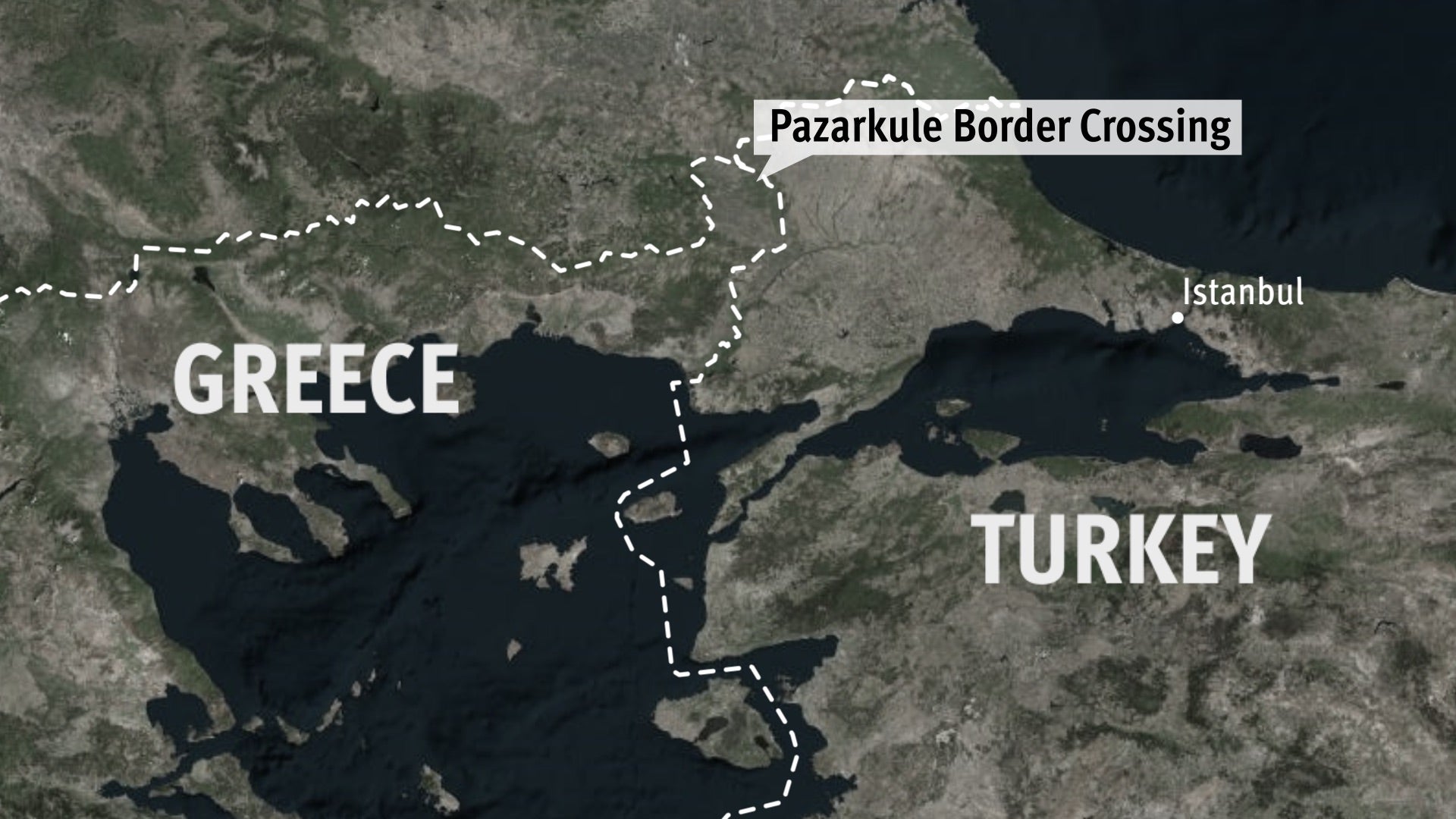
Όσοι παραχώρησαν συνέντευξη και χιλιάδες άλλοι έχουν ταξιδέψει στη συνοριακή πύλη του Pazarkule (Καστανιές) στα ελληνοτουρκικά σύνορα και στον ποταμό Έβρο, που είναι το φυσικό σύνορο μεταξύ Τουρκίας και Ελλάδας, νότια του Pazarkule. Οχτώ από τα άτομα που παραχώρησαν συνέντευξη είπαν ότι η τουρκική αστυνομία τους μετέφερε σε παραμεθόρια χωριά και τους υπέδειξε από πού θα περάσουν στην Ελλάδα.
Σε αντίδραση η ελληνική κυβέρνηση ενίσχυσε τα σύνορά της με αστυνομία, στρατό και ειδικές δυνάμεις, που έκαναν χρήση δακρυγόνων και φέρεται να άνοιξαν πυρ χρησιμοποιώντας πλαστικές σφαίρες κατά ατόμων που πλησίαζαν το πέρασμα στο Pazarkule. Δύο αιτούντες άσυλο που μίλησαν με την Human Rights Watch είπαν ότι οι ελληνικές δυνάμεις ασφαλείας χρησιμοποίησαν επίσης πραγματικά πυρά κατά την επαναπροώθηση ανθρώπων. Ένα από τα άτομα αυτά, που παραχώρησε συνέντευξη σε νοσοκομείο, όπου νοσηλευόταν, είπε ότι τον πυροβόλησαν στο πόδι. Σύμφωνα με Τούρκους αξιωματούχους, οι ελληνικές δυνάμεις ασφαλείας έχουν πυροβολήσει και σκοτώσει τουλάχιστον τρεις αιτούντες άσυλο ή μετανάστες, αλλά η Human Rights Watch δεν έχει επιβεβαιώσει τον αριθμό αυτό.
Όσοι παραχώρησαν συνέντευξη είπαν ότι εντός ωρών μετά τη διάσχιση του ποταμού είτε με βάρκες είτε πεζή, ένοπλοι άνδρες φορώντας στολές διαφόρων υπηρεσιών ασφαλείας ή με πολιτική περιβολή, ακόμα και μαυροφορεμένοι κουκουλοφόροι, συνέλαβαν όλα τα μέλη της ομάδας τους. Όλοι είπαν ότι οι άνδρες τους έθεσαν υπό κράτηση σε επίσημα ή ανεπίσημα κέντρα κράτησης ή δίπλα στην άκρη του δρόμου και τους έκλεψαν τα χρήματά τους, τα κινητά τους και τις τσάντες τους προτού τους επαναπροωθήσουν με συνοπτικές διαδικασίες πίσω στην Τουρκία. Δεκαεπτά περιέγραψαν τον τρόπο με τον οποίοι οι άνδρες επιτέθηκαν στους ιδίους και σε άλλους, συμπεριλαμβανομένων των γυναικών και των παιδιών: τους προκάλεσαν ηλεκτροσόκ, τους χτύπησαν με ξύλινες ή μεταλλικές ράβδους, τους χτύπησαν παρατεταμένα στα πέλματα, τους γρονθοκόπησαν, τους κλώτσησαν και τους ποδοπάτησαν.
Η Human Rights Watch επίσης πήρε συνέντευξη από πέντε Τούρκους κατοίκους παραμεθόριων χωριών που περιέγραψαν πώς στο χρονικό διάστημα μεταξύ 28 Φεβρουαρίου και 6 Μαρτίου είχαν συνδράμει στην φροντίδα μεγάλων ομάδων ατόμων που επέστρεψαν τραυματισμένοι και σχεδόν γυμνοί από την Ελλάδα λέγοντας ότι οι ελληνικές δυνάμεις ασφαλείας τούς είχαν ξυλοκοπήσει, κλέψει, γυμνώσει και απελάσει.
Σε μία περίπτωση, ένας άνδρας που παραχώρησε συνέντευξη περιέγραψε πως η γυναίκα του δέχθηκε σεξουαλική επίθεση από τις ελληνικές δυνάμεις ασφαλείας όταν πέρασαν τα σύνορα. «[Οι ελληνικές δυνάμεις ασφαλείας] προσπάθησαν να κάνουν σωματική έρευνα στη γυναίκα μου και της άγγιξαν το στήθος», είπε ένας Σύρος άνδρας που ταξίδευε με τη γυναίκα και τα παιδιά του. «Μετά προσπάθησαν να της βγάλουν τη μαντήλα και το παντελόνι της. Όταν προσπάθησα να τους σταματήσω με ξυλοκόπησαν άσχημα με γροθιές, με τα πόδια τους, με ένα βαρύ πλαστικό ραβδί καθώς και με ένα μεταλλικό ραβδί. Χτύπησαν τη 2χρονη κόρη μου με ένα βαρύ πλαστικό ραβδί στο κεφάλι και φαίνεται ακόμα ο μώλωπας». Η Human Rights Watch είδε έναν μώλωπα κάτω από τα μαλλιά του κοριτσιού.
Στις περισσότερες περιπτώσεις, όσοι παραχώρησαν συνέντευξη είπαν ότι ένοπλοι άνδρες τους ανάγκασαν να μείνουν μόνο με τα εσώρουχα, πράγμα που έκαναν και σε ορισμένες γυναίκες, και τους εξανάγκασαν να διασχίσουν τον Έβρο για να επιστρέψουν στην Τουρκία. Πολλοί είπαν ότι πέρασαν από τα χέρια πολλών ομάδων, γεγονός που υποδηλώνει έναν συντονισμό μεταξύ αστυνομίας ή στρατιωτών και των ανδρών χωρίς διακριτικά.
Σε τρεις περιπτώσεις, οι αιτούντες άσυλο και μετανάστες είπαν ότι άτομα που δεν μιλούσαν ελληνικά και δεν φορούσαν ελληνική στολή τους ανάγκασαν να επιστρέψουν στην Τουρκία ή τους παρέδωσαν σε επιθετικές ελληνικές δυνάμεις. Δεν γνώριζαν, όμως, από που προέρχονταν τα άτομα αυτά. Στις 3 Μαρτίου 2020 η FRONTEX συμφώνησε στην ανάπτυξή της σε όλο το μήκος των ελληνοτουρκικών χερσαίων συνόρων, αλλά πόσες ακριβώς δυνάμεις έχουν αναπτυχθεί παραμένει ασαφές. Στις 13 Μαρτίου η Human Rights Watch ενημέρωσε τη FRONTEX για την καταγγελθείσα κακοποίηση από μη Ελληνικές δυνάμεις και ρώτησε για την ανάπτυξη των δυνάμεών της κατά μήκος των συνόρων. Στις 16 Μαρτίου η FRONTEX απάντησε ότι δεν είχε τις απαραίτητες πληροφορίες και ότι θα απαντήσει μόλις τις έχει.
Ορισμένα από τα άτομα που παραχώρησαν συνέντευξη είπαν ότι προσπάθησαν πολλές φορές να εισέλθουν στην Ελλάδα, αλλά τους επέστρεψαν με τη βία κάθε φορά. Συνολικά, οι ερωτηθέντες περιέγραψαν 38 περιστατικά απελάσεων που περιλάμβαναν περίπου 4.000 άτομα, αν και μπορεί κάποια να έχουν διπλομετρηθεί.
Στις 6 Μαρτίου, ο διευθυντής επικοινωνίας του Τούρκου Προέδρου Fahrettin Altun καταδίκασε αναφορές για την αφαίρεση των ενδυμάτων, το ξυλοκόπημα και την απέλαση μέσω Έβρου αιτούντων άσυλο από την ελληνική συνοριοφυλακή, αλλά η Τουρκία συνέχισε να μεταφέρει άτομα στα σύνορα και να τα ενθαρρύνει να περάσουν στην Ελλάδα.
Στις 3 Μαρτίου, οι ανώτατοι αξιωματούχοι της ΕΕ συναντήθηκαν με τον Έλληνα πρωθυπουργό Κυριάκο Μητσοτάκη στα ελληνοτουρκικά σύνορα επαινώντας την κυβέρνηση για την προστασία των συνόρων και χαρακτηρίζοντας την Ελλάδα ως την «ασπίδα» της ΕΕ. Σε επόμενες δηλώσεις της η πρόεδρος της Ευρωπαϊκής Επιτροπής, Ursula van der Leyden και η Επίτροπος Μετανάστευσης Ylva Johansson είπαν ότι είχαν τονίσει την ανάγκη σεβασμού των θεμελιωδών δικαιωμάτων, συμπεριλαμβανομένου του δικαιώματος στο άσυλο.
Η Ελλάδα δεσμεύεται από τη Χάρτα Θεμελιωδών Δικαιωμάτων της ΕΕ, που αναγνωρίζει το δικαίωμα αίτησης ασύλου και εγγυάται προστασία από την επαναπροώθηση, την αναγκαστική επιστροφή οποιουδήποτε βρίσκεται σε πραγματικό κίνδυνο διώξεων ή σε άλλο σοβαρό κίνδυνο.
Η Τουρκία δεν πληροί τα κριτήρια της ΕΕ ασφαλούς τρίτης χώρας στην οποία μπορεί να επιστραφεί ο αιτών άσυλο, τα οποία περιλαμβάνουν την αρχή της μη επαναπροώθησης. Από τον Ιούλιο 2019, η Τουρκία έχει απελάσει εκατοντάδες Σύρους από τις πόλεις της, εκθέτοντας όσους επαναπροωθούνται με τη βία από την Ελλάδα σε κίνδυνο περαιτέρω επαναπροώθησης στη Συρία.
Από το 2016, οι Τούρκοι συνοριοφύλακες που περιπολούν τα κλειστά σύνορα της Τουρκίας με τη Συρία έχουν σκοτώσει και τραυματίσει Σύρους αιτούντες άσυλο και έχουν πραγματοποιήσει ομαδικές επαναπροωθήσεις με συνοπτικές διαδικασίες. Οι περισσότεροι έχουν επιστραφεί στο κυβερνείο του Ιντλίμπ, όπου η Συριακή κυβέρνηση και οι Ρωσικές δυνάμεις έχουν πρόσφατα πραγματοποιήσει νέα σειρά βομβαρδισμών αδιακρίτως, χτυπώντας αμάχους, νοσοκομεία και σχολεία, εξαναγκάζοντας στη φυγή ένα εκατομμύριο άτομα. Το 2018 η Τουρκία επίσης απέλασε χιλιάδες Αφγανούς με συνοπτικές διαδικασίες στην πατρίδα τους.
Η Ελλάδα οφείλει να επιτρέψει στα άτομα που ζητούν προστασία στα σύνορά της να εισέλθουν και να αποτιμήσει τις αιτήσεις ασύλου τους δίκαια και αποτελεσματικά, δήλωσε η Human Rights Watch. Η Ευρωπαϊκή Επιτροπή οφείλει να ενθαρρύνει την Ελλάδα να επαναφέρει τις διαδικασίες ασύλου για άτομα που εισήλθαν παράτυπα στην Ελλάδα από την Τουρκία, να σταματήσει τις επιστροφές με συνοπτικές διαδικασίες στην Τουρκία και να πιέσει τις αρχές να προχωρήσουν στη δίωξη όσων αξιωματούχων τα κακομεταχειρίζονται/χρησιμοποιούν καταχρηστικές πρακτικές.
Η FRONTEX οφείλει να παρακολουθεί και να κάνει δημόσιες αναφορές για τη συμμόρφωση των ελληνικών δυνάμεων ασφαλείας με την ευρωπαϊκή και διεθνή νομοθεσία για τα ανθρώπινα δικαιώματα και τους πρόσφυγες, συμπεριλαμβανομένων και των συνθηκών κράτησης, καθώς και για την παρόμοια συμμόρφωση από τους αξιωματικούς τους και εκείνων που συνεισφέρουν άλλα κράτη μέλη. Η Τουρκία δεν πρέπει να υποχρεώνει κανέναν να περνάει τα σύνορα παράτυπα προς την Ελλάδα.
«Χωρίς την πίεση της ΕΕ προς την Ελλάδα να σταματήσει αυτές τις φρικτές κακομεταχειρίσεις, αυτός ο κύκλος βίας θα συνεχιστεί», είπε η Hardman. «Αλλά η ΕΕ οφείλει επίσης να βοηθήσει την Ελλάδα με την μετεγκατάσταση των αιτούντων άσυλο προς την υπόλοιπη ΕΕ και να βοηθήσει την Τουρκία, τη χώρα που φιλοξενεί τον μεγαλύτερο αριθμό προσφύγων, με την μετεγκατάσταση πολύ μεγαλύτερων αριθμών προσφύγων».

17/3/2020

Πέμπτη 30 Απριλίου 2020

[EN] GREECE: VIOLENCE AGAINST ASYLUM SEEKERS AT BORDER

Human Rights Watch


Detained, Assaulted, Stripped, Summarily Deported


Security Forces and Unidentified Men Abuse, Strip and Summarily Deport Thousands


(Athens) – Greek security forces and unidentified armed men at the Greece-Turkey land border have detained, assaulted, sexually assaulted, robbed, and stripped asylum seekers and migrants, then forced them back to Turkey, Human Rights Watch said today. Top EU officials have praised Greece’s border control measures and provided support through the European Border and Coast Guard Agency (FRONTEX).

“The European Union is hiding behind a shield of Greek security force abuse instead of helping Greece protect asylum seekers and relocate them safely throughout the EU,” said Nadia Hardman, refugee rights researcher and advocate at Human Rights Watch. “The EU should protect people in need rather than support forces who beat, rob, strip, and dump asylum seekers and migrants back across the river.”

Greece should immediately reverse its March 1 decision to suspend for one month access to asylum for people irregularly entering the country and to deport them, where possible, to their countries of origin or transit. The Greek Parliament should investigate, and FRONTEX should monitor, any Greek security force abuse and summary deportation of asylum seekers and migrants. EU member states should urgently relocate asylum seekers from Greece to other EU countries and fairly process their asylum claims.

Between March 7 and 9, Human Rights Watch interviewed 21 asylum seekers and migrants, 17 of whom were men and 4 women, in Turkey about how they tried to enter Greece over the land border following the Turkish government’s February 27 announcement that it would no longer stop asylum seekers and migrants from leaving Turkey to reach the European Union.

Those interviewed and thousands of others have traveled to Turkey’s Pazarkule border gate on the Greece-Turkey border and to the Evros river, which forms a natural border between Turkey and Greece, to the south of Pazarkule. Eight of the interviewees said Turkish police transported them to border villages and showed them where to cross into Greece.

Pazarkule Border Crossing

In response, the Greek government reinforced its border with police, army, and special forces, which fired teargas and reportedly rubber bullets at people who approached the Pazarkule crossing. Two asylum seekers who spoke to Human Rights Watch said that Greek security forces also used live fire to push people back. One of these people, interviewed in a hospital where he was getting treatment, said he was shot in the leg. According to Turkish officials, Greek security forces have shot and killed at least three asylum seekers or migrants, but Human Rights Watch has not verified this number.

All those interviewed said that within hours after they crossed in boats or waded through the river, armed men wearing various law enforcement uniforms or in civilian clothes, including all in black with balaclavas, intercepted everyone in their group. All said the men detained them in official or informal detention centers, or on the roadside, and stole their money, mobile phones, and bags before summarily pushing them back to Turkey. Seventeen described how the men assaulted them and others, including women and children, through electric shocks, beating with wooden or metal rods, prolonged beating of the soles of feet, punching, kicking, and stomping.

Human Rights Watch also interviewed five Turkish residents of border villages who described how between February 28 and March 6 they had helped care for large groups of people who returned injured and almost naked from Greece saying that Greek security forces had beaten, robbed, stripped, and deported them.

In one case, an interviewee described Greek security forces sexually assaulting his wife when they crossed the border. “They [Greek security forces] tried to search my wife and touched her breasts,” said a Syrian man who was travelling with his wife and children. “Then they tried to take off her headscarf and her trousers. When I tried to stop them, they beat me really badly with their fists, feet, a heavy plastic rod, and a metal stick. They hit my 2-year-old daughter with a heavy plastic stick on the head so that she still has a bruise.” Human Rights Watch saw a bruise underneath the girl’s hair.

In most cases, the interviewees, said that armed men stripped them down to their underwear, including some women, and forced them across the Evros river back to Turkey. Many said that they were passed between various groups, suggesting coordination between police or soldiers and the unidentified men.

In three cases, asylum seekers and migrants said they were forced back to Turkey or handed over to abusive Greek forces by people who did not speak Greek and were not wearing a Greek uniform, though they did not know where they were from. On March 3, 2020, FRONTEX agreed to deploy along the full length of the Turkey-Greece land border but how many forces have been deployed and when remains unclear. On March 13, Human Rights Watch informed FRONTEX about alleged abuse by non-Greek forces and asked about its deployments along the border. On March 16, FRONTEX replied saying that it did not have the requested information and that it would respond as soon as it did.

Some of the interviewees said they tried multiple times to enter Greece and were each time forcibly returned. Taken together, the interviewees described 38 deportation incidents involving almost 4,000 people, although some of these could be double counts.

On March 6, the Turkish President’s communication director, Fahrettin Altun, condemned reports of Greek border security stripping, beating, and deporting asylum seekers across the Evros river, but Turkey continued to transport people to the border and urge them to cross.

On March 3, senior EU officials met Greek Prime Minister Kyriakos Mitsotakis at the Greece-Turkey land border, praising the government for protecting the border and referring to Greece as the EU’s “shield.” In later statements, the European Commission president, Ursula van der Leyden, and EU Migration Commissioner Ylva Johansson said they had emphasized the need to respect fundamental rights, including the right to asylum.

Greece is bound by the EU Charter of Fundamental Rights, which recognizes the right to seek asylum and guarantees protection from refoulement, the forcible return of anyone to a real risk of persecution or other serious harm.

Turkey does not meet the EU criteria for a safe third country to which an asylum seeker can be returned, which include respect for the principle of non-refoulement. Since July 2019, Turkey has deported at least hundreds of Syrians from its cities, exposing those forcibly returned from Greece to the risk of onward refoulement to Syria.

Since 2016, Turkish border guards patrolling Turkey’s closed border with Syria have killed and injured Syrian asylum seekers and carried out mass summary pushbacks. Most have been returned to Idlib governorate, where Syrian government and Russian forces have recently carried out a new round of indiscriminate bombings, striking civilians, hospitals, and schools, forcing a million people to flee. In 2018, Turkey also summarily deported thousands of Afghans to their country.

Greece should allow people seeking protection at its borders to enter, and fairly and efficiently assess their asylum claims, Human Rights Watch said. The European Commission should urge Greece to reinstate asylum procedures for people irregularly entering Greece from Turkey, end summary returns to Turkey, and press the authorities to prosecute abusive officials.

FRONTEX should monitor and publicly report on Greek security force compliance with European and international human rights and refugee law, including detention standards, as well as similar compliance by its officers and those contributed by member states. Turkey should not compel anyone to cross the border irregularly into Greece.

“Without EU pressure on Greece to stop these appalling abuses, this cycle of violence will continue,” Hardman said. “But the EU should also help Greece by relocating asylum seekers to the rest of the EU and help Turkey, the world’s number one refugee hosting country, by resettling far greater numbers of refugees.”

Refugees, Asylum Seekers, and Migrants in Turkey; Transports to the Border in February and March

Turkey shelters almost 3.6 million Syrians registered under a “temporary protection” regulation, which Turkish authorities say automatically applies to all Syrians seeking asylum. This reflects the UN refugee agency’s position that “the vast majority of Syrian asylum-seekers continue to … need international refugee protection” and that “states [should] not forcibly return Syrian nationals and former habitual residents of Syria.”

According to Turkey’s migration authorities, almost 115,000 asylum seekers lodged protection claims in 2018, including 70,000 Iraqis and 40,000 Afghans, while in 2019 almost 35,000 Afghans and 15,000 Iraqis lodged asylum claims. In late 2019, Turkey said it also hosted about 460,000 irregularly present people, including 200,000 Afghans, 70,000 Pakistanis, 55,000 Syrians, 12,000 Iraqis, 12,000 Palestinians, and 9,000 Iranians. It is unclear how Turkey identified these people without registering them.

Until the February 27, 2020, announcement, Turkish border authorities generally prevented foreigners from leaving Turkey irregularly at its EU land borders, reflected in the high numbers of people who resorted to entering Greece in smugglers’ boats beginning in 2015. Between January 2015 and March 12, 2020, Turkey’s coastguard reportedly intercepted 186,766 asylum seekers and migrants in the Aegean Sea.

On March 5, Turkey announced that it was sending 1,000 additional police officers to the border with Greece to prevent Greece from pushing asylum seekers back to Turkey. Turkish media published photos of what the authorities said were new deployments along the Evros river.

Eight asylum seekers and migrants Human Rights Watch spoke with said that between February 28 and March 6, Turkish police or military had transported them in buses to villages on the Evros river to the south of the Pazarkule border crossing and helped them cross to Greece. They included two men taken from immigration removal centers, one of whom said the authorities threatened to kill him if he did not agree to be taken to the Greek border. Two others said police or military took them to Pazarkule. At 7 p.m. on March 8, Human Rights Watch saw hundreds of foreign nationals getting off five large white coaches without commercial logos parked next to police vehicles in Küplü village, 400 meters from the Greek border.

An asylum seeker in northern Turkey at the Greek border on March 6 shows injuries he says Greek security forces inflicted after he had crossed the Evros River into Greece. Photo by Turkish Radio and Television Corporation/Handout/Anadolu Agency.

An asylum seeker in northern Turkey at the Greek border on March 6 shows injuries he says Greek security forces inflicted after he had crossed the Evros River into Greece. 
 © 2020 Belal Khaled

Abuse by Greek Forces in late February and early March

Between March 7 and 9, two Human Rights Watch researchers interviewed 21 asylum seekers and migrants in Edirne city and near the Evros river to the south of Edirne about abuses that they had faced on the Greek side of the river. Seventeen of them were men and four were women: 7 from Afghanistan, 4 from Syria, 2 each from Morocco, Pakistan, and Senegal, and one each from Azerbaijan, Gambia, Iran, and Iraq.

[EN] ‘WE ARE LIKE ANIMALS’: INSIDE GREECE'S SECRET SITE FOR MIGRANTS

The extrajudicial center is one of several tactics Greece is using to prevent a repeat of the 2015 migration crisis.


The New York Times


POROS, Greece — The Greek government is detaining migrants incommunicado at a secret extrajudicial location before expelling them to Turkey without due process, one of several hard-line measures taken to 
seal the borders to Europe that experts say violate international law.

Several migrants said in interviews that they had been captured, stripped of their belongings, beaten and expelled from Greece without being given a chance to claim asylum or speak to a lawyer, in an illegal process known as refoulement. Meanwhile, Turkish officials said that at least three migrants had been shot and killed while trying to enter Greece in the past two weeks.

The Greek approach is the starkest example of European efforts to prevent a reprise of the 2015 migration crisis in which more than 850,000 undocumented people passed relatively easily through Greece to other parts of Europe, roiling the Continent’s politics and fueling the rise of the far right.

If thousands more refugees reach Greece, Greek officials fear being left to care for them for years, with little support from other members in the European Union, exacerbating social tensions and further fraying a strained economy. Tens of thousands of migrants already live in squalor on several Greek islands, and many Greeks feel they have been left to shoulder a burden created by wider European indifference.

The Greek government has defended its actions as a legitimate response to recent provocations by the Turkish authorities, who have transported thousands of migrants to the Greek-Turkish border since late February and have encouraged some to charge and dismantle a border fence.

The Greek authorities have denied reports of deaths along the border. A spokesman for the Greek government, Stelios Petsas, did not comment on the existence of the site, but said that Greece detained and expelled migrants in accordance with local law. An act passed March 3, by presidential decree, suspended asylum applications for a month and allowed immediate deportations.

But through a combination of on-the-ground reporting and forensic analysis of satellite imagery, The Times has confirmed the existence of the secret center in northeastern Greece.

Presented with diagrams of the site and a description of its operations, François Crépeau, a former U.N. Special Rapporteur on the human rights of migrants, said it was the equivalent of a domestic “black site,” since detainees are kept in secret and without access to legal recourse.


Using footage supplied to several media outlets, The Times has also established that the Greek Coast Guard, nominally a lifesaving institution, fired shots in the direction of migrants onboard a dinghy that was trying to reach Greek shores early this month, beat them with sticks and sought to repel them by driving past them at high speed, risking tipping them into water.


Forensic analysis of videos provided by witnesses also confirmed the death of at least one person — a Syrian factory worker — after he was shot on the Greek-Turkish border.

A Secret Site

When Turkish officials began to bus migrants to the Greek border on Feb. 28, a Syrian Kurd named Somar al-Hussein had a seat on one of the first coaches.