LIANA SPYROPOULOU & GIORGOS MOUTAFIS
BILD AT THE GREEK-TURKISH BORDER
 |
| BILD reporter Liana Spyropoulou during her interview with Giorgos (55), a fisherman in Evros riverFoto: Giorgos Moutafis |
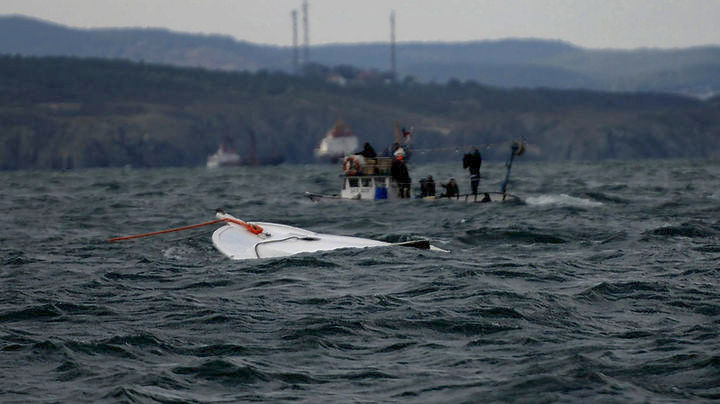
Dozens of plastic boats at the shores. Fishermen who help the
authorities in search and rescue operations. Villagers ready to help the
survivors with dry clothes and food. And more than 1.300 bodies buried in the
mud, at the bottom. Most of them are never to be found...
Its not Lesbos or any other East Aegean island. Its
Evros river, the alternative passage of migrants and Turks to Europe since the
Balkan Route closed back in 2016. The river of death...
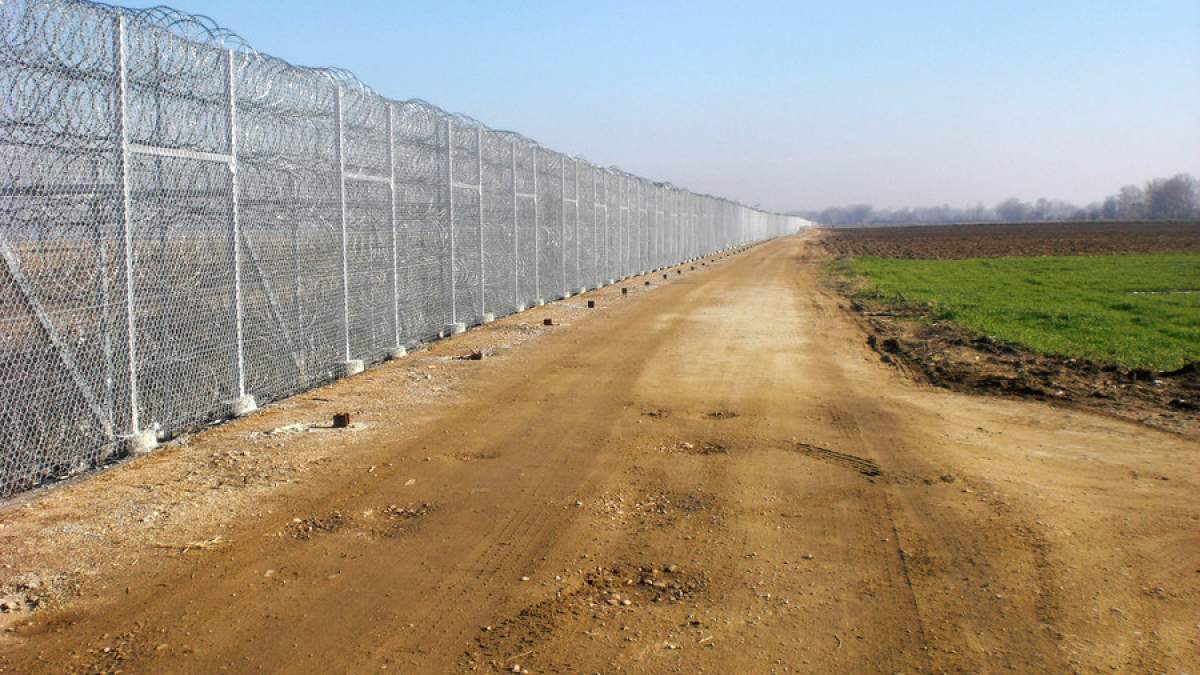
At the Northeast borders of Greece, where Europe meets
Turkey, a drama unfolds.
The tragedy of the 37 year old teacher from Turkey
Ayşe A. and her two sons who drowned in Evros trying to flee from Turkey, is
not the first one.
“It wasn't the first
time. For us its almost an everyday phenomenon. You just don't know it because
media are not here yet. We are constantly witnessing people who try to cross
the river and they end up missing or dead. The boats they are using, are sea
summer toys for two kids but usually 8-10 people are on board. If someone falls
into the water or the boat capsizes, they will die for sure” Dimitris
Hatzigakidis (55), mayor of Marasia told BILD.
 |
| Dimitris Hatzigakidis (55), mayor of MarasiaFoto: Giorgos Moutafis |
Marasia village is literally on the borders between Greece and Turkey,
and the area in which most of the boats are arriving. The location Ayşe (37),
Halil (3) and Abdulkadir (11) wanted to reach to find a better future.