Refugees trying to enter Greece through its northern land border with Turkey have told Al Jazeera they have been threatened and forced to go back, in breach of international humanitarian law.
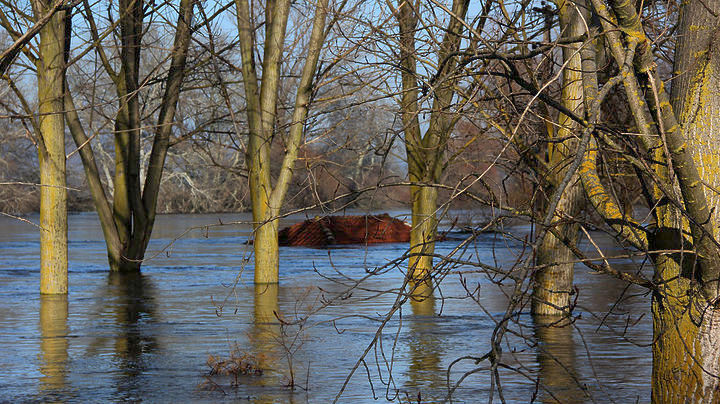
They claim it happened near the Evros river, which flows for more than 150km from Bulgaria to the Mediterranean Sea.
The Greek police have denied the allegations.
Al Jazeera's Laurence Lee reports from northern Greece.
Ένα μεγάλο μυστικό του ελληνικού κράτους, κρύβουν οι όχθες του ποταμού Έβρου. Ντόπιοι, μετανάστες, αλλά και δικηγόροι που δραστηριοποιούνται στην περιοχή, καταγγέλλουν ότι τα τελευταία χρόνια λειτουργεί ένας παρακρατικός μηχανισμός, που απαγάγει, ξυλοκοπεί και επαναπροωθεί ανθρώπους, που έχουν περάσει τα ελληνικά σύνορα, στη γειτονική Τουρκία.
Πρόκειται για παράνομη δραστηριότητα αστυνομικών και πιθανά στρατιωτικών που δρουν υπό την ανοχή –αν όχι υπό τις εντολές- του κράτους, δίχως να ανησυχούν για τις καταγγελίες που έχουν κατά καιρούς δει το φως της δημοσιότητας, αλλά και για τις μαρτυρίες κατοίκων της περιοχής και δικηγόρων που διηγούνται πάνω-κάτω την ίδια ιστορία. Το υπουργείο Προστασίας του Πολίτη έχει καταδικάσει στο παρελθόν τέτοιες πρακτικές και οι αρχές έχουν διαψεύσει διάφορες καταγγελίες οργανώσεων. Όμως μετά τα αποκαλυπτικά στοιχεία που φέρνει στο φως το Tvxs.gr θα πρέπει να υπάρξει πλέον μια επίσημη τοποθέτηση - απάντηση, χωρίς υπεκφυγές και ατέρμονες εσωτερικές έρευνες.
Ομάδες μεταναστών περνούν το ποτάμι συνήθως τις βραδινές ώρες και έρχονται σε επαφή αυτοβούλως με τις ελληνικές αρχές προκειμένου να καταγραφούν και να καταθέσουν αιτήσεις για άσυλο. Σε πολλές περιπτώσεις αστυνομικοί και κουκουλοφόροι άνδρες με στολές παραλλαγής, ξυλοκοπούν τους μετανάστες, κλέβουν τα προσωπικά τους αντικείμενα και τους πετούν πίσω στα φουσκωμένα νερά του ποταμού, προκειμένου να βγουν στην απέναντι τουρκική όχθη.
Άλλες πάλι φορές, οι μετανάστες συλλαμβάνονται και μεταφέρονται σε αστυνομικά τμήματα. Από εκεί «φορτώνονται» σε βανάκια και φορτηγά και ενώ έχουν λάβει διαβεβαιώσεις πως μεταφέρονται σε κάποιο χώρο φιλοξενίας, βρίσκονται στα σύνορα όπου σε ομάδες, υπό την απειλή όπλων, περνούν στην απέναντι μεριά. Συχνά μάλιστα λένε πως πριν την παράνομη επαναπροώθησή τους στην Τουρκία, μεταφέρονται και παραμένουν για ώρες, μέχρι να πέσει το σκοτάδι, σε «στρατιωτικές» περιοχές, μακριά από τα αδιάκριτα βλέμματα των κατοίκων και δίχως τη δυνατότητα παρέμβασης
Ισχυρές ενδείξεις επαναπροωθήσεων σε 4 περιπτώσεις
Τους τελευταίους μήνες δικηγόροι που δραστηριοποιούνται στην περιοχή αναφέρουν πως οι επαναπροωθήσεις προσφύγων αποτελούν καθημερινό φαινόμενο. Οι δικηγόροι Αντώνης και Θοδωρής Καραγιάννης ασχολούνται με υποθέσεις προσφύγων τα τελευταία 4 χρόνια. Όπως δηλώνουν στο Τvxs.gr, από το καλοκαίρι του 2017, για τουλάχιστον τέσσερις περιπτώσεις, που έχουν κληθεί από πρόσφυγες στην περιοχή προκειμένου να αναλάβουν την διεκπεραίωση των αιτημάτων ασύλων τους, διαθέτουν στοιχεία για παράνομες επαναπροωθήσεις. Έχοντας την ακριβή τοποθεσία των προσφύγων, ειδοποιούν –ως οφείλουν- τις αστυνομικές αρχές προκειμένου να τους εντοπίσουν. Στη συνέχεια και αφού η αστυνομία φτάσει στο σημείο και συλλάβει τους πρόσφυγες διακόπτεται κάθε επικοινωνία με τους δικηγόρους και οι άνθρωποι αυτοί εξαφανίζονται.
«Μας έκλεψαν τα πάντα»
Στις 21 Οκτωβρίου το πρωί, οι δύο δικηγόροι δέχονται στα κινητά τους τηλέφωνα μηνύματα από πρόσφυγες, που τους ενημερώνουν πως έχουν περάσει τα σύνορα και βρίσκονται σε ελληνικό έδαφος. Τα γραπτά μηνύματα περιλαμβάνουν την ακριβή τοποθεσία των προσφύγων μέσω εφαρμογής GPS, φωτογραφίες μπροστά σε ελληνικές πινακίδες και φωτογραφίες των διαβατηρίων τους.
Το πτώμα μετανάστη ή πρόσφυγα ασιατικής καταγωγής εντοπίστηκε εχθές (27/01) το μεσημέρι σε αγροτική περιοχή των Καστανεών.
Η σορός μεταφέρθηκε για νεκροψία στο Πανεπιστημιακό Γενικό Νοσοκομείο Αλεξανδρούπολης, ωστόσο, σύμφωνα με την Αστυνομία, δεν υπήρχαν ενδείξεις εγκληματικής ενέργειας.
The body of a 20-25 year-old migrant, possibly African, was recovered from the waters of River Evros on the Greek-Turkish borders. The dead body was located by police officers on Thursday afternoon inside the river. Coroner Pavlos Pavlidis said to Athens Macedonian News Agency that it is very soon to estimate the date of the death due to its long stay in the water and the advanced state of decomposition He said that seven more indentified bodies, probably all of migrants that attempted to cross the river, are in the mortuary refrigerators. "I can keep the bodies in the university's refrigerators for approximately 4 to 5 months but if there are indications that the body may be recognised then we can keep it up to six months" said Pavlidis.
The bodies are usually discovered half naked. They have been in the Evros, the river dividing Greece from Turkey, for weeks. And the currents or the fish have taken their clothes.
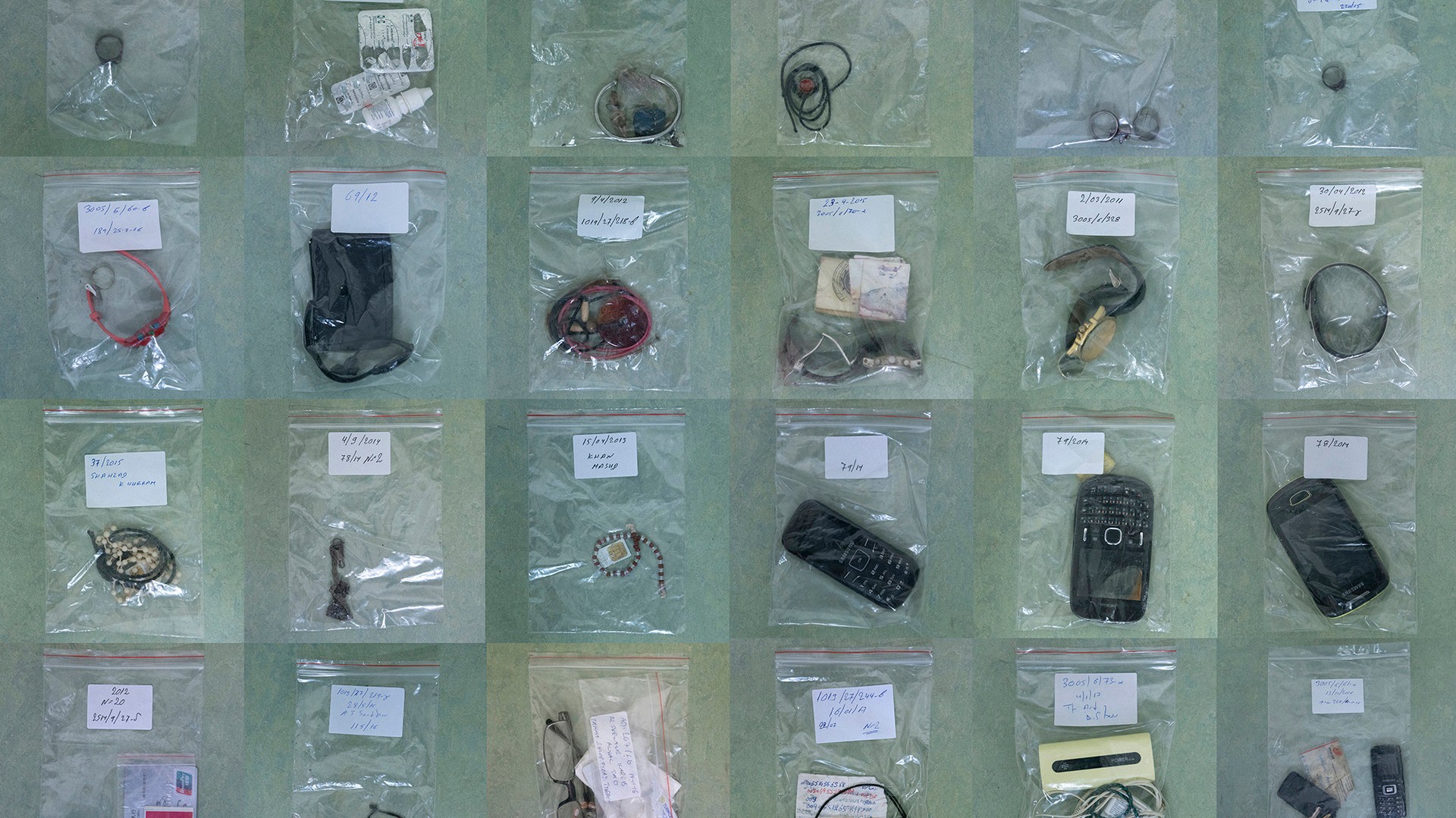
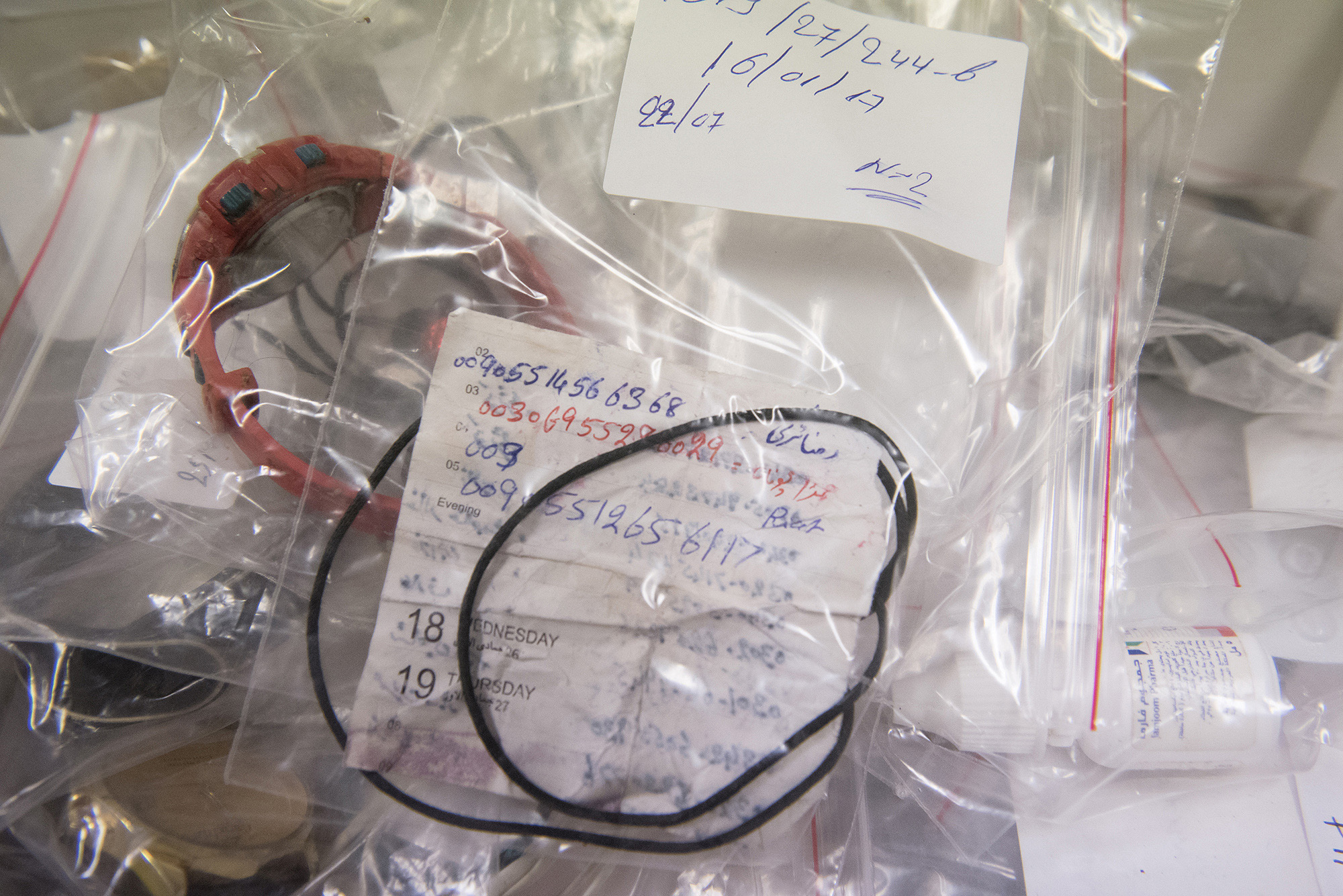
Sometimes there are personal effects - a pair of glasses, a chain of beads, a bracelet - that can offer a clue to someone's identity.
But usually they remain unidentified, stored here at a hospital morgue in the northeast Greek town of Alexandroupolis - silent witnesses to the horror of a refugee's journey.
"It's very difficult because we have women, we have little boys, girls, we have children," Pavlos Pavlidis, a forensic pathologist at Alexandroupolis' general hospital, told Al Jazeera. Deadly crossing Theland border between Greece and Turkey, a nearly 200km frontier mostly formed by the Evros, has seen increased traffic since the European Union and Turkey struck adealto shut down the route into Europe via the Aegean sea.
The UN said Turkish authorities at the land border with Greece intercepted almost 20,700 people between January and September this year, compared to 7,500 reported for the same period last year.
According to the UN's refugee agency, an estimated 4,300 people had arrivedthis year at the Evros Greek-Turkish land border by the end of October. More than 800 crossed using this route in October alone.
However, attempting to cross Evros can de deadly.
"It was so dangerous, so cold," recalled Martin Jafari, an Afghan refugee who said that he lost three friends while attempting to cross the border.
"They were three of my best friends," he told Al Jazeera. "We were out in the open ... We didn't have any food or clothes."
Al Jazeera's Laurence Lee, reporting from Alexandroupolis, said hypothermia was the cause of many deaths on the Evros. Some of the bodies have been "discovered by fishermen in the shallows", or "in outbuildings, half eaten by wild dogs".
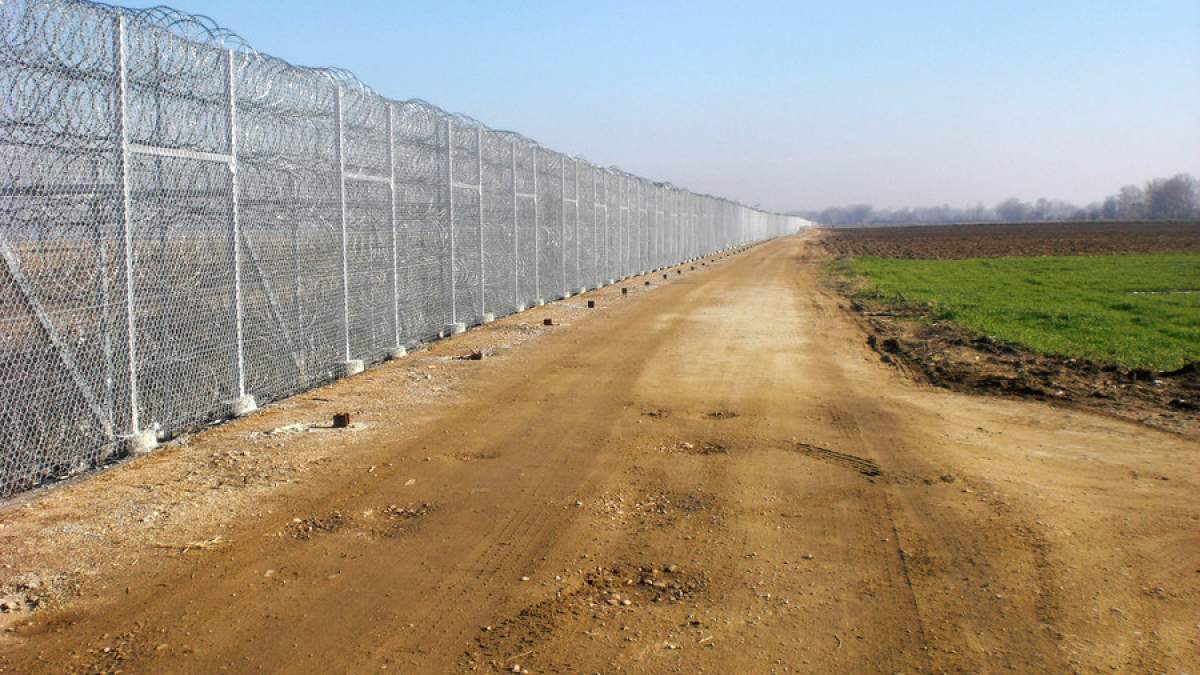
Refugees are forced into the river because of a double-barbed wire fence on the border, paid for by the EU to keep refugees out, Lee said.
"They cross either in the hands of illegal smuggling gangs or by themselves," he added.
"It's really dangerous either way, and yet again exposes the lack of safe routes at the edges of the EU for refugees."
Ένας ακόμη άνθρωπος άφησε την τελευταία του πνοή στα παγωμένα νερά στο Δέλτα του ποταμού Έβρου. Πρόκειται για το τελευταίο θύμα στη μακρά λίστα των προσφύγων που πέθαναν στην προσπάθεια να διασχίσουν την συνοριογραμμή, παρά τα φουσκωμένα νερά του ποταμού, την απόσταση χιλιάδων χιλιομέτρων και τις χαμηλές θερμοκρασίες.
Η σορός του άνδρα εντοπίστηκε χθες το απόγευμα, από αστυνομικούς του τμήματος Φερών της Διεύθυνσης Αστυνομίας Αλεξανδρούπολης, εντός της κοίτης του ποταμού. Σύμφωνα με τον καθηγητή ιατροδικαστικής στο νοσοκομείο Αλεξανδρούπολης, Παύλο Παυλίδη, είναι ένας νεαρός άνδρας ηλικίας 20-25 ετών, πιθανόν αφρικανικής καταγωγής.
Ο καθηγητής δήλωσε πως από τα μέχρι στιγμής στοιχεία δεν υπάρχουν ενδείξεις εγκληματικής ενέργειας. Πάντως, διευκρίνισε ότι είναι νωρίς για εκτίμηση του ακριβούς χρόνου θανάτου, λόγω της παραμονής του στο νερό, της σήψης και πολλών άλλων παραγόντων.
Σημείωσε πως στην ιατροδικαστική στο Πανεπιστήμιο, υπάρχουν άλλοι επτά νεκροί, πιθανόν μετανάστες «αγνώστων στοιχείων». «Το χρονικό διάστημα παραμονής τους ορίζεται από το νόμο και υπάρχουν δύο ΦΕΚ το ένα εκ των οποίων προσδιορίζει τον χρόνο στις 40 ημέρες και το δεύτερο στους τρεις μήνες. Στην περίπτωσή όμως που έχουμε κάποιες ενδείξεις ότι ο άνθρωπος ενδέχεται ν' αναγνωριστεί τότε μπορούμε να τον κρατήσουμε και έξι μήνες», αναφέρει ο καθηγητής.
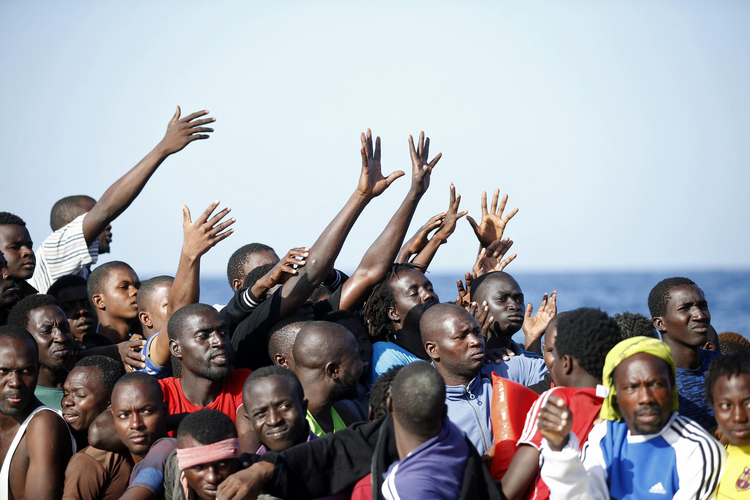
Migrants reach out from a boat during rescue operations Oct. 20 in the Mediterranean Sea. The number of migrants and refugees who have died while making the treacherous journey across the Mediterranean is expected to reach an all-time high in 2016, according to the U.N. Refugee Agency. (CNS photo/Italian Red Cross via EPA)
On Friday morning, a German newspaper, Der
Tagesspiegel, published thenames and details of about 33,293 people who died trying to reach
refuge in Europe.
The information was published in print: 48 pagesof tiny type starkly headlined “The List.”
The first entry is from 1993, when Kimpua Nsimba, a
24-year-old man from Zaire (now the Democratic Republic of Congo), was found
hanged in the bathroom of a detention center in Great Britain. Mr. Nsimba had
been detained while seeking asylum, but no one spoke to him during his four-day
detention because the center had no Lingala interpreter.
His death was determined to be a suicide.
Many of those identified were young men, age 20 to 25
years old. They came from a variety of places, and readers can trace the
eruption of conflicts over the years through spikes in specific countries of
origin. In 1999, for example, 108 people died fleeing Kosovo during the war
there.
“
The first entry is from 1993, when a 24-year-old
man from Zaire was found hanged in the
bathroom of a detention center in Great Britain.
The list also revealed less well-known crises. For
example, 160 people from Senegal drowned in March 2007. They fled a region
where one in 12 people had swine fever and where a bloody conflict had been waged between the government and a separatist group for 25
years.
November 9 has been launched as a Global Day of Action for a #WorldwithoutWalls by Palestinian and Mexican movements because we recognised each other in the shared injustice we are suffering and in our ongoing struggle to achieve justice, equality and dignity.
This connection was only the start: the idea of #WorldwithoutWalls has inspired and brought together many more movements. Over the last months over 370 organisations from some 30 countries around the world have joined in the call.
In these days all, as over the world actions on the ground and interactions online for a World without Walls are taking place, Palestinian ongoing popular Friday protests against Israel’s apartheid Wall will be only one of many actions calling with urgency for a World without Walls.
Israel has built this illegal wall and the settlement infrastructure to dispossess us from our lands and encage us in our communities on not more than 13% of our land. This recreates the Bantustans of the erstwhile South African apartheid regime. Today popular resistance against Israel’s wall has become a symbolic struggle within the Palestinian national movement to achieve liberation from Israeli military occupation, siege and repression, equality for all as citizens and the return of our refugees.
The last months of mobilising have brought the activists of the Palestinian Stop the Wall Campaign closer to many different struggles across the globe and it is more evident than ever before that Israeli apartheid, colonialism and occupation are a central part of a global system that at its heart dehumanises the majority of us in order to oppress, exploit, expel or kill us.
The Israeli regime is unique in many ways. It is a state that not only practices de facto apartheid but has enshrined this in its laws; the longest standing military occupation in the world; a regime built to perpetuate the practices of settler colonialism, against which people in other places around the world have fought for hundreds of years, in a geographically crucial spot, Palestine, the crossroad between East and West, at a time when elsewhere decolonisation was finally unsettling the ruling powers and forced them to change patterns of dominance. Yet, Israel has a concrete impact on the lives of people all across the globe. Israel has become a global laboratory for today’s and future ideology and mechanisms of racial segregation, repression and control, exclusion and dispossession.
Who would have thought in 2002 when Israel started building its apartheid Wall that today we would have nearly 70 walls around the world built to militarise borders or to annex occupied lands? Who would have thought it possible that exactly one year ago Donald Trump won the presidential elections by promising a Wall?
Walls are key elements in today’s racist policies aimed against migrants, including refugees, to criminalise and keep them out or kill them. Walls are ever more pervasive in cities and societies to segregate, control and repress. Ideologies of hatred and supremacy are growing together with these walls and the profits of an entire industry of walls, fear and exclusion are rising exponentially. By 2022, the border security market is expected to rise to$52.95 billion globally.
Behind those walls, corporations and governments are feeding one off the other, financing each other and maintaining an architecture of corporate and state impunity. It is high time we hold them accountable!
As Palestinians our interconnection with the people struggling in their own countries for justice, freedom and equality calls therefore for a concrete common effort to stop the ideological, military and commercial ties that finance and legitimate Israeli apartheid and help it to export what it has tested on our people to the rest of the world. Boycott, Divestment and Sanctions is our Palestinian call to stop impunity and undercut the financial sustainability of Israeli apartheid and the world of walls it promotes.
Today we know, that we, the people of the world, have a common struggle and common hopes and dreams that one day we will all live in a #WorldwithoutWalls.
As Stop the Wall is joining the International Caravan for People’s Sovereignty and against the Walls of Infamy, which after a long journey through Mexico is about to reach the US border Wall, we know one thing for sure: We have only just begun the march.
Γυαλιά μυωπίας,
κομπολόγια, κινητά και κάρτες sim. Ο ιατροδικαστής Παύλος Παυλίδης έχει
ταυτοποιήσει 200 νεκρούς μετανάστες από το 2000 έως σήμερα.
Ο καθηγητής
Ιατροδικαστικής στο Νοσοκομείο της Αλεξανδρούπολης, Παύλος Παυλίδης, υπομένει
τον τελευταίο καιρό μια γλυκόπικρη αναμονή. Έχει υποβάλει προς δημοσίευση, στην
έγκυρη διμηνιαία επιθεώρηση International Migration Journal του
Διεθνούς Οργανισμού Μετανάστευσης (ΔΟΜ), την πρώτη ολοκληρωμένη μελέτη με θέμα
τους θανάτους μεταναστών στον ποταμό Έβρο, στα ελληνο-τουρκικά σύνορα, από το
2000 έως σήμερα.
Ο καθηγητής Ιατροδικαστικής στο Πανεπιστημιακό Νοσοκομείο Αλεξανδρούπολης, Παύλος Παυλίδης.
Τα τελευταία 17 χρόνια,
από την πρώτη γραμμή του μεταναστευτικού, ο ίδιος καταγράφει αδιάκοπα τη μαύρη
στατιστική των ανθρώπων, οι οποίοι προσπάθησαν με τραγικό αποτέλεσμα να
διασχίσουν την τελευταία συνοριογραμμή πριν πατήσουν το πόδι τους σε ευρωπαϊκό
έδαφος. Δεν είναι, όμως, μόνο αυτή η επίπονη διαδικασία. Στο Εργαστήριο
Ιατροδικαστικών Επιστημών ο κ. Παυλίδης καλείται να ταυτοποιήσει τις σορούς των
μεταναστών «αγνώστων στοιχείων» που ανασύρονται από το ποτάμι, πριν θαφτούν σε
ένα χορταριασμένο νεκροταφείο στον Έβρο με μοναδική ένδειξη έναν αριθμό
πρωτοκόλλου. Στη διαδικασία ταυτοποίησης, το πρώτο στοιχείο που έχει στα χέρια
του είναι τα προσωπικά αντικείμενα των νεκρών.
Η μαύρη στατιστική
Ο καθηγητής Παυλίδης,
μια λεπτή φιγούρα με άσπρη ποδιά, μας υποδέχτηκε στο γραφείο του στο
Πανεπιστημιακό Νοσοκομείο Αλεξανδρούπολης. Ανέσυρε από τη βιβλιοθήκη ένα
αντίγραφο της μελέτης του, η οποία στηρίχτηκε στα δεδομένα που ταξινομεί
συστηματικά επί χρόνια: «Από το 2000 έως και το 2016, συνολικά 350 μετανάστες
ανασύρθηκαν νεκροί από την ελληνική όχθη του ποταμού Έβρου. Δυστυχώς, δεν
έχουμε επίσημα στοιχεία από την τουρκική πλευρά, όμως υπολογίζω ότι άλλοι τόσοι
έχουν εντοπιστεί στην αντίπερα όχθη. Ο πυθμένας του ποταμού είναι λασπώδης κι
έτσι επιπλέον πολλοί μετανάστες δεν εντοπίζονται ποτέ. Αυτό με κάνει να πιστεύω
ότι από το 2000 μέχρι σήμερα, στον ποταμό Έβρο έχουν χάσει τη ζωή τους
περισσότεροι από 1.000 άνθρωποι», σημειώνει ο κ. Παυλίδης.
Χειρόγραφες σημειώσεις και αριθμοί κινητών τηλεφώνων σε φθαρμένο χαρτί.
Μια πιο προσεχτική
ανάγνωση της μελέτης, αποτυπώνει τα ιδιαίτερα χαρακτηριστικά του περάσματος.
Από το 2000 έως και το 2010 η συντριπτική πλειονότητα των νεκρών είναι άνδρες
(222 έναντι 18 γυναικών). Την επόμενη χρονιά, με το ξέσπασμα της κρίσης στη
Συρία, αυξάνεται αισθητά και ο αριθμός των γυναικών, καθώς πλέον τον Έβρο
διασχίζουν οικογένειες. Ένα άλλο ενδιαφέρον στοιχείο είναι τα αίτια των
θανάτων. Ο πνιγμός και η υποθερμία είναι σταθερά οι βασικές αιτίες, ενώ μέχρι
και το 2008 – χρονιά που ολοκληρώθηκε στη στρατιωτική ζώνη ο καθαρισμός των
ναρκών κατά προσωπικού - καταγράφονται επίσης θάνατοι από εκρήξεις ναρκών (49
θύματα). Η χειρότερη περίοδος ήταν η διετία 2010-11, με συνολικά 95 νεκρούς στο
ποτάμι. Ο φράχτης του Έβρου χτίστηκε τον
Φεβρουάριο του 2012, ωστόσο από τη μελέτη του καθηγητή Παυλίδη προκύπτει ότι οι
ροές δεν ανακόπηκαν, απλώς μετατοπίστηκαν πιο νότια και φυσικά στο Αιγαίο.
Έτσι, την πενταετία 2012-6, συνολικά 68 άνθρωποι ανασύρθηκαν νεκροί, πάντα στην
ελληνική όχθη του Έβρου.
The book "Walls Dividing People" began with Isaac Newton's quote: "People build too many walls and not enough bridges." This new book's intention is to explore this question in order to know whether or not, and how, bridges can strengthen the links between communities and contribute directly to reconciliation and peace.
While bridges are often among the primary targets of conflict, how are their reconstruction perceived by post-conflict populations and in search of lasting peace? To what extent, and under what conditions, do bridges really succeed in bringing together populations that have been divided? I tried to analyze the social, cultural and political scars, as well as the factors of unity, of nine crisis or post-conflict situations around the world.
Bridges in Mostar and in Mitrovica
A Border Bridge Between Greece and Turkey
The Allenby Bridge Between the Occupied Palestinian Territories and Jordan
The Bridges over the Dniestr River between Moldova and Transnistria
Along The Enguri River between Georgia and Abkhazia
The Friendship Bridges Between Tajikistan and Afghanistan
The Border Bridges Between China and North Korea
The International Bridges over the Rio Grande between the United States and Mexico