Search...

Δευτέρα 15 Απριλίου 2019

[ES] ACUERDO UE-TURQUIA: EVROS, LA NUEVA RUTA MORTAL HACIA EUROPA

Logo


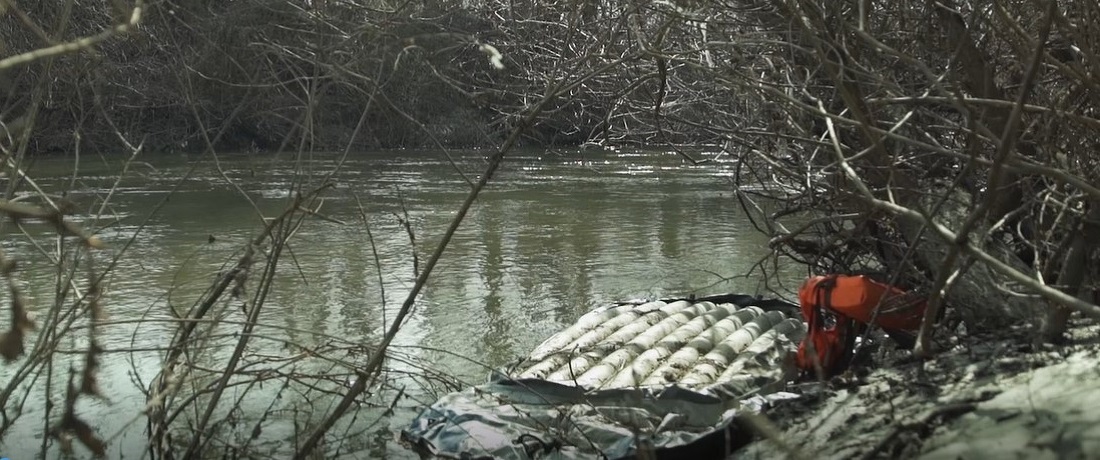
Una balsa abandonada y el chaleco con el que una persona refugiada cruzó el río Evros.

“Cuando una frontera se cierra, otra ruta más larga y peligrosa se abre”. Esa frase recurrente en los últimos años podría ser la conclusión del vídeo ‘Evros, la nueva ruta mortal hacia Europa’ que han publicado hoy CEAR y el Consejo Griego para los Refugiados (GCR) sobre la situación en la frontera entre Grecia y Turquía.

En el tercer aniversario de la firma del acuerdo UE-Turquía en el que se legitimaban las expulsiones a este país y se ofrecía un pago de 3.000 millones de euros para que las autoridades turcas blindaran su frontera marítima con Grecia, ambas organizaciones destacan que el acuerdo ha supuesto una reducción de las llegadas a través de este país, pero ha supuesto que muchas personas refugiadas opten por la vía terrestre y deban atravesar el río Evros.
“Cuando intentamos salir del bosque y llegar a la ciudad, la policía nos arrestó y nos confiscaron nuestros teléfonos. Nos hicieron subir a los botes en grupos y nos deportaron al otro lado”, cuenta Maryam, una refugiada iraní de 22 años en el vídeo realizado este mismo mes de marzo por los periodistas Mikel Konate y Sarah Souli en la frontera turco-griega.


[SIGUE LEYENDO DESPUÉS DEL VÍDEO]
Por su parte, el coordinador de la Unidad Jurídica del GCR, Vasilis Papadopoulos añadió: “El creciente número de personas que llegan a través de Evros –entre ellas muchas familias y niños– pone de relieve la ineficacia y los riesgos asociados con las políticas de cierre de fronteras, especialmente cuando están destinadas a detener la necesidad fundamental de las personas de buscar protección. ‘Ayer’ se trataba de los peligrosos viajes marítimos, ‘hoy’ se está convirtiendo en un viaje cada vez más peligroso por tierra a través de Evros. Después de haber permanecido en una ruta fuera de radar, es también el lugar de algunas de las violaciones más horrendas de los derechos de las personas refugiadas y solicitantes de asilo. ‘Mañana’ debe haber una Europa que respete los derechos humanos y sus responsabilidades legales hacia los refugiados”.
“La situación en esta frontera es una muestra más de que la política de externalizar fronteras puede servir a corto plazo para reducir el número de llegadas en una zona determinada pero desde luego es un fracaso para las personas que huyen de conflictos como el de Siria y para los propios valores de la Unión Europea”, lamentan desde CEAR.
En el vídeo puede verse también la labor de forense Pavlos Pavlidis en la frontera turco-griega, quien recoge muestras de ADN y objetos personales para que en algún momento puedan ser identificados por los familiares.

Un acuerdo ilegal

En mayo de 2016, CEAR presentó una denuncia a dicho acuerdo ante la Comisión Europea, el Consejo de Europa y el Defensor del Pueblo Europeo por la vulneración de los derechos de las personas refugiadas, con el apoyo de 294 organizaciones y más de 12.000 firmas individuales. A raíz de esta queja, la Defensora del Pueblo recomendó a la Comisión Europea evaluar el impacto del acuerdo en materia de derechos humanos.
Desde entonces, la entidad ha mantenido la ilegalidad del acuerdo UE-Turquía, ya que su aplicación práctica vulnera la normativa europea e internacional, y ha venido alertando del riesgo que corre la vida de muchas personas refugiadas si finalmente son devueltas a Turquía.
Además, como consecuencia en parte de este acuerdo, cientos de miles de personas se han quedado atrapadas en Turquía y otros países de la región en condiciones infrahumanas y sin garantías de que puedan ejercer sus derechos, y más de 72.000 están actualmente bloqueadas en Grecia.
Este vídeo forma parte del proyecto que desde 2016 CEAR inició en Grecia junto al Consejo Griego para los Refugiados, financiado por el Ayuntamiento de Madrid, para ofrecer más de 100 plazas de acogida digna para personas especialmente vulnerables, al tiempo que ofrece asesoramiento legal y participa en acciones de sensibilización y denuncia sobre la situación de los refugiados en este país.

18/3/2019


Πέμπτη 11 Απριλίου 2019

[ES] REFUGIADOS Y ONG DENUNCIAN DEPORTACIONES ILEGALES DENTRO DE EUROPA

Albert Naya
HISPANTV


Organizaciones humanitarias denuncian presuntas deportaciones ilegales desde Grecia a Turquía. Algunos de los refugiados han vivido escenas de auténtico pánico.
Grecia, ahora bajo el mandato del partido izquierdista Syriza, nunca ha mostrado su recelo por la llegada de refugiados. Pero la realidad que se vive en el país es distinta.
El acuerdo de 2016 alcanzado entre Ankara y la Unión Europea (UE) establece un mecanismo de deportaciones y largas esperas para los refugiados que lleguen a las islas griegas, pero no contempla el caso de los refugiados que lo hagan por tierra, concretamente por el río Evros, la frontera natural entre Grecia y Turquía.
Una parte del país ve con recelo la entrada de refugiados por esta ruta y, a día de hoy, la deportación en caliente gana terreno.
La práctica, totalmente negada por el Gobierno griego, representa un atentado contra los derechos humanos y se perpetra dentro de las fronteras de un país firmante de la Convención de Ginebra y miembro de la UE.
En cuanto a las denuncias del Alto Comisionado de las Naciones Unidas para los Refugiados (ACNUR) sobre las deportaciones ilegales, según indican, no responden a casos aislados.
Los datos de deportaciones ilegales son inexistentes y se producen de forma regular. Tampoco se conoce el número de migrantes que han perdido la vida intentando cruzar el río.
Después de recorrer miles de kilómetros huyendo de la guerra, algunos refugiados finalizan su viaje en un cementerio. Otros superaran el paso por el Evros y podrán seguir su viaje hacia un futuro nada cierto.
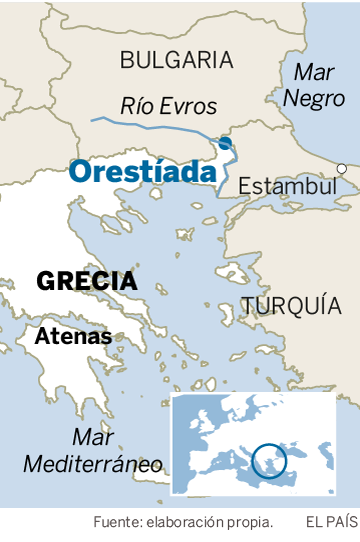
Albert Naya, Orestiada.
xsh/rba

12/3/2019

[ES] EL RIO EVROS, UNA PUERTA GRIEGA DE REFUGIADOS PARA ALCANZAR EUROPA

Albert Naya
HISPANTV


En Grecia, justo en la frontera con Turquía, miles de refugiados cruzan cada año el río Evros con el objetivo de alcanzar tierras europeas.
El río Evros es la frontera natural entre Grecia y Turquía, una línea divisoria que no solamente delimita a los dos países, cruzarlo también significa entrar en la Unión Europea (UE). Es por ello que ahora mismo es una de las puertas de entrada más utilizadas por aquellos que huyen de la guerra y sueñan con alcanzar Europa en busca de un futuro más prometedor.
En 2019 más de 1500 refugiados han puesto sus vidas en manos de traficantes para alcanzar Europa a través del Evros, según la Organización de las Naciones Unidas (ONU). Los afganos son una de las nacionalidades más numerosas, habitantes de un territorio que a pesar de la violencia que sufre, no está bajo la condición de país en guerra. La realidad es bien distinta.
La de Ghor, una refugiada afgana, no es una historia aislada. Este centro de recepción de los refugiados (en vídeo) reúne a multitud de testimonios de violencia en sus lugares de origen y muchos de sus protagonistas no cumplen aun con la mayoría de edad.
El Centro de Registro e Identificación (CRI) de Fylakio, en la unidad regional Evros al noreste de Grecia, alberga a cerca de 200 personas. El 50 % de ellos son menores. El Evros representa en estos momentos una de las mayores puertas hacia Europa. Algunos de ellos cuando salgan de aquí seguirán su camino. Otros no tendrán tanta suerte.
La llegada a Grecia significa solamente un punto y aparte para los miles de refugiados que siguen llegando. Por otra parte, asociaciones y activistas de la zona han denunciado supuestas deportaciones ilegales a Turquía.
Albert Naya, Orestiada.
mhn/rba

11/3/2019

Δευτέρα 8 Απριλίου 2019

[ES] EL OSCURO SECRETO DE LA FRONTERA ORIENTAL DE EUROPA


EL PAÍS

Grecia deporta ilegalmente a los refugiados que llegan a su territorio, en algunos casos incluso secuestrándolos lejos de la frontera, según denuncian ONG y Acnur


Firas debería estar en Grecia. Es más, oficialmente, según los registros del Gobierno heleno y del Alto Comisionado de Naciones Unidas para los Refugiados (ACNUR), reside en Grecia. Pero no. Este sirio, de 17 años, malvive amedrentado, sin dinero y sin papeles en un pequeño apartamento de Estambul que comparte con otros refugiados, después de haber sido deportado ilegalmente por la policía griega a Turquía en tres ocasiones. Una práctica prohibida por las leyes internacionales, pero que, según las organizaciones de derechos humanos, se está convirtiendo en “sistemática” a medida que la ruta migratoria de entrada a la Unión Europea se desvía hacia la frontera del río Evros. Acnur ha recabado unos 300 casos de devoluciones en caliente de personas que intentan llegar a la UE desde Turquía solo en 2018.

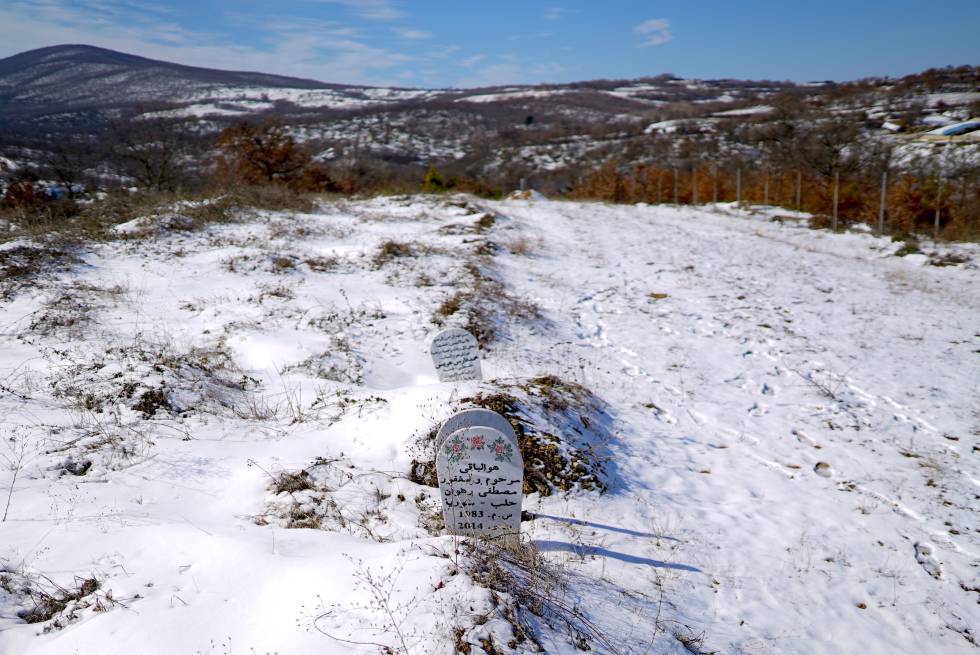
Lápidas de migrantes en el cementerio de Sidiro, al norte de Grecia.
Lápidas de migrantes en el cementerio de Sidiro, al norte de Grecia. 
“En los últimos años hemos recabado un número significante de casos de pushback [término en inglés para referirse a esta práctica ilegal]”, explica Margaritis Petritzikis, representante de Acnur en el campo de detención de Fylakio, en Grecia, junto al Evros. “Los testimonios describen a quienes practican las detenciones vistiendo uniformes de diferentes colores, muchas veces sin distintivos, y con la cara cubierta, por lo que no sabemos a qué cuerpo pertenecen. La jurisdicción del control fronterizo es de la policía griega, pero el área que rodea el río es zona militarizada”, añade Petritzikis.

Los detenidos aseguran que, una vez detenidos y antes de ser devueltos en barcas al otro lado de la frontera, son llevados a almacenes, instalaciones militares o comisarías de policía, transportados con furgonetas sin identificar, supuestamente de las fuerzas de seguridad, según los testimonios recogidos en informes de diversas ONG, entre ellas Human Rights Watch y el Greek Council for Refugees (GCR).

El Evros, también llamado Maritsa, hace de barrera natural a lo largo de 194 de los 206 kilómetros de frontera terrestre entre Turquía y Grecia; el resto lo cubre una valla levantada en 2012. Para aquellos migrantes y refugiados que, desde suelo turco, sueñan con alcanzar territorio europeo, son apenas 100 o 200 metros que cubrir en un bote hinchable, un trayecto mucho más corto que el que separa la costa turca de las islas griegas del mar Egeo. Además, aquí no está vigente el acuerdo firmado entre la UE y Turquía en 2016, que permite la devolución de aquellos migrantes llegados de manera irregular por vía marítima. En la zona del Evros regía otro acuerdo bilateral de devolución firmado entre Turquía y Grecia, aunque Ankara lo canceló el pasado año. Por ello, en los últimos años, se ha incrementado el número de llegadas a través de esta ruta (en 2018 fueron 18.014, un 35% del total de refugiados y migrantes que arribaron a Grecia, según los datos de Acnur). La mayor parte de los que llegan son sirios, afganos y turcos.

El oscuro secreto de la frontera oriental de Europa


Sus aguas aparentemente tranquilas son un espejismo engañoso. Es un río caudaloso, de habituales inundaciones y fuertes corrientes: durante el pasado año, medio centenar de personas murieron en esta ruta, la mayoría ahogadas o por hipotermia. “El río es pequeño, pero peligroso. Sobre todo porque los botes son para cinco personas y cruzamos 30 a la vez”, explica un joven bangladesí detenido en el campo de Fylakio.
Un residente de Edirne, en la orilla turca del río, explica que las tarifas que exigen los traficantes por pasar al otro lado van de 1.000 a 5.000 euros. Aquellos que pagan más “reciben un servicio vip”, y en la orilla griega les esperan otros traficantes que los llevan en coche hasta Salónica o Atenas: “A estos no los suele detener nunca la policía”. A los que no disponen de ese dinero, después de superar el peligro de las aguas les aguarda una nueva barrera.
Práctica ilegal
Dos y media de la madrugada. Se escuchan pasos entre la maleza, en la zona boscosa que rodea el Evros. Hay cuchicheos. Los pasos se detienen al escuchar el vehículo en el que viaja este periodista. Poco después, se alejan.

Σάββατο 2 Μαρτίου 2019

[EN] CROSSING THROUGH THE LAND BORDER: WHAT ARE THE RISKS?

blog.refugee.info

Αποτέλεσμα εικόνας για blog.refugee.info Crossing through the land border: What are the risks?

The route across the land border between Greece and Turkey holds many dangers for refugees, especially during winter time. In recent months, we’ve received several complaints from people who experienced pushbacks when trying to cross into Greece’s northeastern region of Evros, including this one:
"They forced all males to give all their money and mobile phones. The men were also forced to take off their clothes and some were even obliged to take off their underwear and swim the river, in the middle of the night, back to the Turkey shore. All women and children were just robbed and returned back by boat."
This group of refugees was arrested by police and detained for up to 4 days before being returned back to Turkey by the Greek army, according to the message.
Evros-Blog_UNHCR-Socrates-Baltagiannis_Jan-2019-1

The number of similar reports has increased as more and more people have been crossing through the land border in the past year. Arrivals rose significantly in the Evros area in April 2018 when over 3,600 refugees crossed the Evros River (also called Meriç in Turkish). In Greece, UNHCR reported it was the first time since 2013 that land arrivals surpassed sea arrivals on the Aegean islands.
According to the most recent data collected by UNHCR, the total number of Evros arrivals in 2018 is more than triple the total in 2017. More than 18,000 refugees arrived by land in 2018 compared to an estimated 5,600 in 2017.
Evros_Refugee.Info_July-2018-1

Why are people crossing through Evros?

Many people who’ve recently crossed through Evros see the route as an alternative to going through the Greek islands, where refugees face bigger barriers as a result of the EU-Turkey Deal and geographical restrictions.
Signed in March 2016, the EU-Turkey Deal was intended to deport people who arrive on the Greek islands and do not qualify for asylum in Greece back to Turkey. This is a special process called the Fast-Track Border Procedure. In practice, this procedure takes a long time and many cases are still pending.
As a result of the deal, those who arrive on the Greek islands are not allowed to leave the island before their asylum case is processed, which can take months or — in many cases — years.
Asylum-seekers who arrive through the land border and are arrested by police are placed in detention. As they don't fall under the EU-Turkey Deal, people from countries with higher asylum recognition rates are usually released and allowed to move freely through the country much sooner.
UNHCR reported that the majority of those who arrived through the land border in spring 2018 were Kurds from Afrin, in northern Syria, as well as people fleeing from Iraq, Iran, Afghanistan and other parts of Syria.
Evros-July-2018_for-Evros-Blog_Tolis_Refugee.Info-1

Read more about the dangers of crossing the land border from Turkey into Greece:
If you have any more questions about the situation at the land border, please don’t hesitate to message us on Facebook. We will do our best to get you answers as soon as possible.
Cover Photo: Orestis Seferoglou (photo's color edited slightly)
25/1/2019

[EN] HIDDEN DANGERS AT THE GREECE-TURKEY LAND BORDER

blog.refugee.info

Αποτέλεσμα εικόνας για blog.refugee.info Hidden dangers at the Greece-Turkey land border

You can use this article to learn more about the dangers of crossing the land border from Turkey into Greece, including:
  • Drowning
  • Hypothermia
  • Railway accidents
  • Car accidents
Evros-River-Blog_Edit_Daphne-Tolis-Refugee.Info-Jan-2019-1

If you have any more questions about the situation at the land border, please don’t hesitate to message us on Facebook. We will do our best to get you answers as soon as possible.
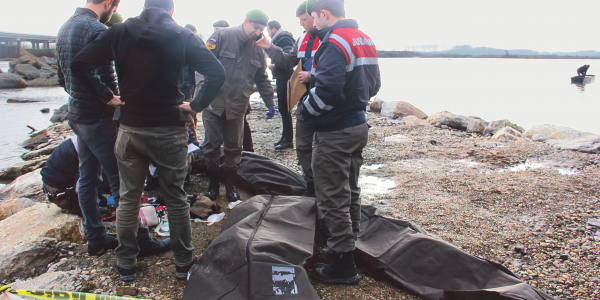
At the University Hospital of Alexandroupoli, Associate Professor of Forensic Medicine Pavlos Pavlidis has the sad privilege of examining and identifying the bodies that wash up on the banks of the Evros River, which forms a natural border between Greece and Turkey.
"Since 2000, more than 350 bodies have been recovered along the Evros River," he told Refugee.Info. "Moreover, we estimate that over the past 18 years there have been more than 1,500 bodies that have never been found."
Stylianos-Papardelas_Evros-Blog_Jan-2019-3-2

Through detailed forensic analysis and DNA tests, Dr. Pavlidis managed to identify and link 103 of the recovered bodies to a living family. The rest remain unidentified.
There are crossings where it can take less than 20 minutes to paddle across the Evros River and reach Greece's riverside from Turkey. Smugglers usually advertise this proximity, intentionally covering the fact that there are many hidden dangers along the way.
Dr. Pavlides explained to Refugee.Info that the major cause of death, as observed through his forensic examinations, is drowning. Second on the list comes hypothermia and a recently added risk is railway accidents.

Evros_IRN_Nikolaos-Symeonidis-1


Drowning

The river crossing in Evros may be short, but people who are afraid of the water and unfamiliar surroundings can easily panic and fall off the boat. The rubber boats refugees use cannot protect them from a fast current or a flood, which are pretty common, especially during winter months.
Underwater logging — the process of logging trees from underwater forests — and excessive mud in the Evros River cause bodies to get snagged in the branches that are fixed at the bottom. Unlike the sea, the river also has no salt to push the bodies up.
AP-Photo-Boris-Grdanoski_Evros-Blog_Jan-2019-

Hypothermia

The risk of hypothermia in the Evros region is high during winter and spring, when the temperature is extremely low and the air is humid. People who fail to cross the Evros River and remain stranded on its rocky islets are especially affected.
Other refugees who cross the river, usually at night, try to hide in abandoned warehouses where they fall asleep exhausted in the cold.
They do not light fires, fearing that they might be traced by the authorities. The combination of cold weather and their wet clothing can lead to hypothermia, which can cause complete failure of their heart and respiratory system and eventually death as soon as they fall asleep.
Those who die from hypothermia can maintain the last body posture and facial expression they had when they fell asleep.

Railway accidents

Since 2016, the number of railway accidents has also been on the rise in Evros, with a total of 12 known deaths. Refugees try to jump on freight trains, according to Dr. Pavlos Pavlidis, the forensic pathologist at the Alexandroupoli University Hospital.
“But they do not consider the risk as they think the trains move with the same speed as the trains in their countries of origin,” he said. “Trains in Greece move much faster than they expect and accidents are frequent. Unfortunately, bodies are shred to pieces and thus it is very hard to identify them.”
Socrates-Baltagiannis-UNHCR_Evros-Blog_Jan-2019

Car accidents

During the last few months of 2018, officials recorded an increase in migrant and asylum-seeker deaths from traffic accidents in the Evros area, including women and children.
By mid-December, Dr. Pavlos Pavlidis said he had already seen dead bodies from 9 traffic accidents in 2018, up from 2 car crashes in 2017.
Most of the crashes take place on the Egnatia Odos highway. The drivers are often not familiar with Greece's driving rules, roads and landscape.
According to IRIN news, both reckless practices by human smugglers and attempts to avoid arrest and return to Turkey are possible causes.
“Migrants and smugglers – usually hoping to reach Thessaloniki or Athens before moving elsewhere in Europe – know that the chance of reaching their final destination increases the further they go into the Greek mainland,” IRIN reported.
You can also learn about violent pushbacks on the border here.
Cover Photo: Alkis Konstantinidis / Reuters (photo's color edited slightly)
25/1/2019
https://blog.refugee.info/major-risks-at-the-greek-land-border/

[EN] PUSHBACKS AT THE GREECE-TURKEY LAND BORDER

blog.refugee.info

Αποτέλεσμα εικόνας για Pushbacks at the Greece-Turkey land border


You can use this article to learn more about violent pushbacks at Greece’s land border with Turkey, including:
  • Testimonials and reports of pushbacks
  • Your rights and what you can do
If you have any more questions about the situation at the land border, please don’t hesitate to message us on Facebook. We will do our best to get you answers as soon as possible.
Both sides of the Greece-Turkey border are heavily patrolled by border police and army forces.

The organization Greek Council for Refugees (GCR) reports that the number of cases where Greek police return asylum-seekers and migrants back across the border with Turkey, called pushbacks, has recently been increasing. GCR stated, “This is a systematic practice by the Greek police that violates fundamental human rights.”
GCR, the Association for the Social Support of Youth and HumanRights360 published a report in December with 39 testimonies from people who attempted to enter Greece from the Evros border with Turkey.
Konstantinos-Tsakalidis---Al-Jazeera_Evros-Blog_Jan-2019.jpg-correct-copy

According to this report, among the victims are large families, pregnant women, victims of torture and also minors. Their testimonies all show similar trends, describing arbitrary detention in police stations with extremely poor hygienic conditions, the use of violence, destruction of belongings and transfers to overcrowded boats bound for the other side of the river.

Τετάρτη 13 Φεβρουαρίου 2019

ΕΚΑΤΟΜΒΕΣ ΝΕΚΡΩΝ ΣΤΟΝ ΕΒΡΟ - 1000 ΝΕΚΡΟΙ ΑΠΟ ΤΟ 2000

Βασίλης Ιγνατιάδης
ΕΘΝΟΣ

Η τραγωδία του Σαββάτου είναι ο τελευταίος κρίκος στην αλυσίδα προσφύγων που έχασαν τη ζωή τους προσπαθώντας να περάσουν το ποτάµι, καθώς από το 2000 οι νεκροί υπολογίζονται σε 1.000

Εκατόµβες νεκρών στον Εβρο - 1.000 νεκροί από το 2000

Πέρασµα ελπίδας αλλά και τόπος τραγωδίας, ο ποταµός Εβρος «πνίγει» στα νερά του τα όνειρα και τις προσδοκίες χιλιάδων προσφύγων και µεταναστών για µια νέα ζωή στην Ευρώπη της ασφάλειας. Ενα κλαδί δέντρου που τρυπάει το φουσκωτό καθώς διασχίζει την κοίτη, όπως έγινε το περασµένο Σάββατο στο ύψος του Διδυµοτείχου, είναι αρκετό για να µετατρέψει το φυσικό σύνορο Ελλάδας - Τουρκίας σε υγρό τάφο.

Την ώρα που οι οµάδες έρευνας αναζητούσαν τα τρία κοριτσάκια νηπιακής ηλικίας και έναν ενήλικο άνδρα που χάθηκαν στα ορµητικά νερά το πρωί του Σαββάτου, σύµφωνα µε τις µαρτυρίες των διασωθέντων, οι αριθµοί για τα θύµατα του ακήρυχτου πολέµου στις όχθες του διασυνοριακού ποταµού σοκάρουν.

Στατιστικά στοιχεία

Ο καθηγητής Ιατροδικαστικής στο ∆ηµοκρίτειο Πανεπιστήµιο Θράκης, Παύλος Παυλίδης, έχει ταυτοποιήσει 39 νεκρούς µέσα στο 2018 και παρόλο που δεν υπάρχουν ακριβή στατιστικά, εκτιµά πως ο αριθµός των θυµάτων και στις δύο όχθες του ποταµού από το 2000 έως σήµερα προσεγγίζει συνολικά τους χίλιους ανθρώπους. Οι περισσότεροι πέθαναν από πνιγµό ή υποθερµία, άλλοι έπειτα από τροχαία δυστυχήµατα σε δροµολόγια διακινητών ή παρασύρσεις από τρένα, κάποιοι έπεσαν και θύµατα εγκληµατικής ενέργειας.
«Στην τουρκική πλευρά δεν υπάρχουν στατιστικά στοιχεία, αλλά εκτιµούµε πως ο αριθµός των θυµάτων είναι αντίστοιχος µε αυτόν στη δική µας πλευρά» εξήγησε στο «Εθνος» ο καθηγητής, ο οποίος τα τελευταία χρόνια επιχειρεί να δηµιουργήσει µια βάση δεδοµένων, καταγράφοντας λεπτοµερώς τα περιστατικά. Από το 2000 έχουν ταυτοποιηθεί περισσότεροι από 400 νεκροί στις ελληνικές όχθες. Αν υπολογιστεί ότι ένας αντίστοιχος αριθµός έχει ανασυρθεί στην απέναντι πλευρά, καθώς και ότι πολλοί από τους αγνοούµενους δεν έχουν βρεθεί, ο εκτιµώµενος αριθµός φτάνει τους 1.000. Επειτα από την ιατροδικαστική εξέταση, οι σοροί των νεκρών µεταφέρονται για ταφή, είτε στο µουσουλµανικό νεκροταφείο στο Σιδηρώ του Εβρου είτε στο πολιτικό νεκροταφείο της Ορεστιάδας. Οι περισσότεροι κηδεύονται χωρίς όνοµα, µε έναν αριθµό που αντιστοιχεί σε δείγµα DNA σε περίπτωση εκ των υστέρων αναζήτησής τους από οικείους τους, αλλά και σε προσωπικά τους αντικείµενα που βρίσκονται στα ρούχα τους, τα οποία φυλάσσονται στην υπηρεσία.

Αγωνία για τους πέντε αγνοούµενους

Για δεύτερη µέρα, χθες, αστυνοµικοί του Βόρειου Εβρου και πυροσβέστες της 4ης ΕΜΑΚ «χτένιζαν» την ελληνική όχθη του ποταµού Εβρου από το ύψος του ∆ιδυµοτείχου και νοτιότερα, αναζητώντας ίχνη των τεσσάρων µικρών κοριτσιών ηλικίας από 2 έως 5 ετώνκαι του ενήλικα που αγνοούνται από το πρωί του Σαββάτου, έπειτα από ναυάγιο της φουσκωτής βάρκας που τους µετέφερε στην Ελλάδα, σύµφωνα µε τις µαρτυρίες των οκτώ διασωθέντων.
Ανάµεσα στους τελευταίους είναι ο πατέρας των τριών κοριτσιών, ιρακινής καταγωγής, µαζί µε άλλα δύο παιδιά του. Πληροφορίες που είδαν το φως της δηµοσιότητας το µεσηµέρι για σταµάτηµα των ερευνών, λόγω ψευδούς κατάθεσης του πατέρα, δεν επιβεβαιώνονταν από την Αστυνοµία, όπως και οι φήµες για εµπλοκή αναφορικά µε την αρµοδιότητα της περιοχής έρευνας. Ανώτερες πηγές της ΕΛ.ΑΣ. δήλωσαν στο «Εθνος» ότι οι έρευνες συνεχίστηκαν µέχρι τη δύση του ηλίου και θα επαναληφθούν σήµερα.
Οπως έγινε γνωστό, η φουσκωτή βάρκα, είχε ξεκινήσει από την τουρκική όχθη, αλλά στη µέση της κοίτης του ποταµού, που είναι «φουσκωµένος» και ορµητικός αυτό το διάστηµα, η λέµβος σταµάτησε σε ένα µυτερό κλαδί δέντρου, το οποίο την τρύπησε. Οι επιβαίνοντες βρέθηκαν στα παγωµένα νερά και παρασύρθηκαν. Κάποιοι κρατήθηκαν από κλαδιά και άλλοι κολύµπησαν µέχρι µια κοντινή νησίδα, στην ελληνική επικράτεια, όπου βρήκαν ασφαλές καταφύγιο και κάλεσαν σε βοήθεια. Οχι όµως και τα τρία αδελφάκια, και τον ενήλικο άνδρα.
4/2/2019