Available in العربية Français
HUMAN RIGHTS WATCH
Pregnant Women, Others ‘At-Risk’ Lack Health Care, Support
(Athens) – Thousands of migrants and asylum seekers in northern Greece have been subject to appalling reception and detention conditions, with at-risk groups lacking necessary protection, Human Rights Watch said today. Greece has failed to ensure minimum standards for pregnant women, new mothers, and others arriving via the land-border with Turkey in the Evros region, many of whom are fleeing violence or repression in countries including Syria, Afghanistan, and Iraq.
HUMAN RIGHTS WATCH
Pregnant Women, Others ‘At-Risk’ Lack Health Care, Support
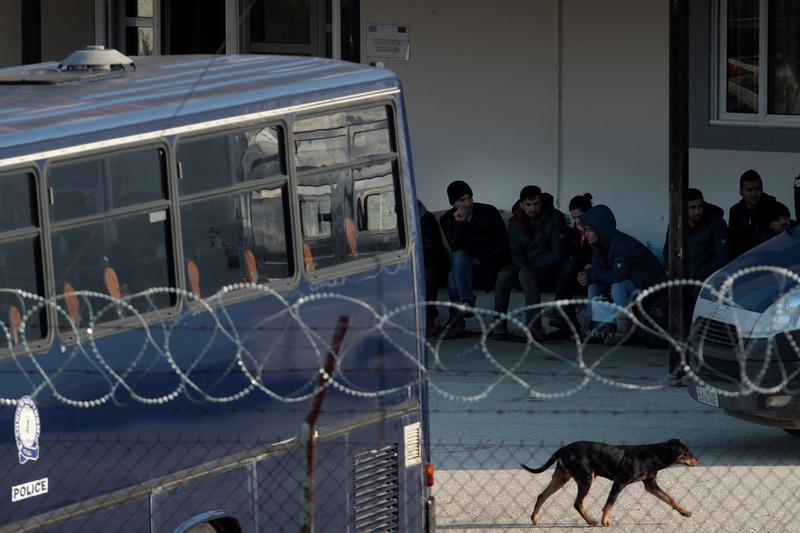 |
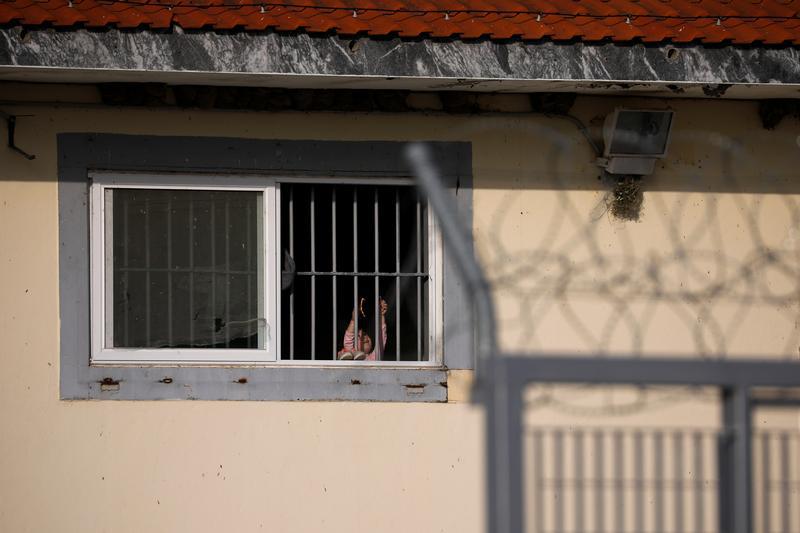
Migrants that crossed the land border between Greece and Turkey are seen at the Pre-Removal Detention Center in the village of Fylakio, Northern Greece, February 24, 2017.
© 2017 Alexandros Avramidis /Reuters |
(Athens) – Thousands of migrants and asylum seekers in northern Greece have been subject to appalling reception and detention conditions, with at-risk groups lacking necessary protection, Human Rights Watch said today. Greece has failed to ensure minimum standards for pregnant women, new mothers, and others arriving via the land-border with Turkey in the Evros region, many of whom are fleeing violence or repression in countries including Syria, Afghanistan, and Iraq.
During visits to three government-run
centers holding asylum-seekers and migrants in May 2018, Human Rights Watch
found living conditions that do not meet international standards. All three
facilities lacked adequate access to health care, including mental health care,
and support for at-risk people, including women traveling alone, pregnant
women, new mothers, and survivors of sexual violence. The lack of interpreters
hindered essential communication. Asylum seekers and migrants said they did not
know why they were being held. Interviewees reported verbal abuse by police,
and two said they witnessed police physically abusing others.
“People told us they were being treated
so poorly in these facilities that they felt less than human,” said Hillary Margolis, women’s rights researcher at Human Rights Watch.
“Greece has a responsibility to uphold basic standards of care for everyone in
its custody, regardless of their immigration status.”
Human Rights Watch interviewed 49 asylum
seekers and migrants in the three facilities, as well as Greek authorities and
facility personnel. Conditions were especially poor at the Fylakio pre-removal
detention center, where Human Rights Watch researchers witnessed asylum seekers
being held in dark, dank cells, with overpowering odors in the corridors.
Female asylum seekers and migrants were being held with unrelated males at both
the pre-removal center and the reception and identification center at
Fylakio, where housing failed to meet
such basic standards as having toilets and locking doors. People working at
both centers in Fylakio confirmed in late July conditions remain the same. At
the time of Human Rights Watch’s visit to the Diavata open camp, asylum seekers
and migrant families were housed together in crowded rooms, and some in tents,
including pregnant women and new mothers.
A surge in arrivals over Greece’s
northern land border with Turkey in the spring of 2018, peaking in April,
slowed reception and identification procedures, leading to overcrowding and lengthier stays in
detention facilities. However, this does not absolve the Greek government of
obligations to uphold the rights of all asylum seekers and migrants, including
by providing decent living standards and health care.
Pending completion of reception and
identification procedures, Greek authorities hold newly arrived irregular
migrants and those seeking international protection in northern Greece in one
or more of the following facilities: border police stations in the Evros
region; the Fylakio pre-removal detention center, run by the Hellenic Police;
and the Fylakio reception and identification center, run by the Ministry for Migration Policy. Some
are then transferred to open camps, including the Diavata camp in Thessaloniki,
run by the Migration Policy Ministry, and others to accommodations supported by
the UN refugee agency. Some remain in detention pending examination of asylum
claims, deportation, or voluntary return.
Human Rights Watch wrote to the Hellenic
Police and the Migration Policy Ministry in June to seek comment on the findings.
The head of the Hellenic Police replied on July 4 acknowledging increased arrivals had
put pressure on facilities, but said conditions were improving. The Migration
Ministry had not responded at time of writing.
Government reception and identification procedures are supposed to include medical checks and screening
for vulnerable people including pregnant women and new mothers, people with
medical or mental health conditions, people with disabilities, and
unaccompanied or separated children. However, Human Rights Watch found these
procedures are not conducted systematically. Most asylum seekers and migrants
interviewed said they had not been screened by medical personnel or asked about
vulnerabilities, including pregnancy or health conditions.
Four pregnant women said they had not
been able to get adequate prenatal care even after requesting it. A 31-year-old
woman from Iraq who was four months pregnant said she had not been screened in
the four days since she had arrived at the reception center.